Englished and Recomposed for 5th graders by Ehab Shawky
Part I
Our hero tonight is a brave one indeed. He was the bravest among Prophet Muhammad’s companions. He attended all events with the prophet. Almost in every dangerous situation, he was at the prophet’s side. That is Ali Ibn Abi-Taleb, the prophet’s young cousin. Ali was born ten years before the advent of Islam. At that time, his father’s financial situation was critical. As such, Prophet Muhammad offered his uncle to raise Ali. Knowing Muhammad’s unique morals and ethics, Abu-Talib accepted. And so the prophet raised Ali in his house. This had a great impact on Ali’s personality.
As a child, Ali got to see how Prophet Muhammad dealt truthfully with everyone. He saw how trustworthy the prophet was. All Makkans entrusted the prophet with their precious items. They always sought his house for safekeeping. Ali learned how important it is to be faithful since his childhood. He saw how the prophet took care of orphans and widows. Young children always greeted the prophet upon returning from his trips. He often gave them rides on his camel and entertained them. Ali learned from the prophet to love the weak and the needy. He grew up soaked with a sense of justice and of piety.
Prophet Muhammad often pondered over the universe. For him, idols were useless statues. Meditation and calling upon our creator was his common practice. Ali worshipped the creator with the prophet years before the advent of Islam. He always took pride in that period. When the prophet turned forty, he began to seclude himself in a cave atop one of Makkah’s mountains. That was where the archangel first descended upon him with Allah’s message. Gabriel ordered the prophet to invite his close friends and relatives to Islam first. Ali knew how truthful his old cousin was. As such, he became the first boy to embrace Islam. After that, Prophet Muhammad invited his uncle to Islam. The old man hesitated to embrace the new faith. Yet, he ordered Ali to stay by his cousin’s side. With time, the prophet’s call began to spread. Islam called for justice, equality, and brotherhood. Hence, the slaves and the poor were the earliest to embrace it. This angered the idolater masters and the slave owners. They initiated a persecution campaign against Muslims.
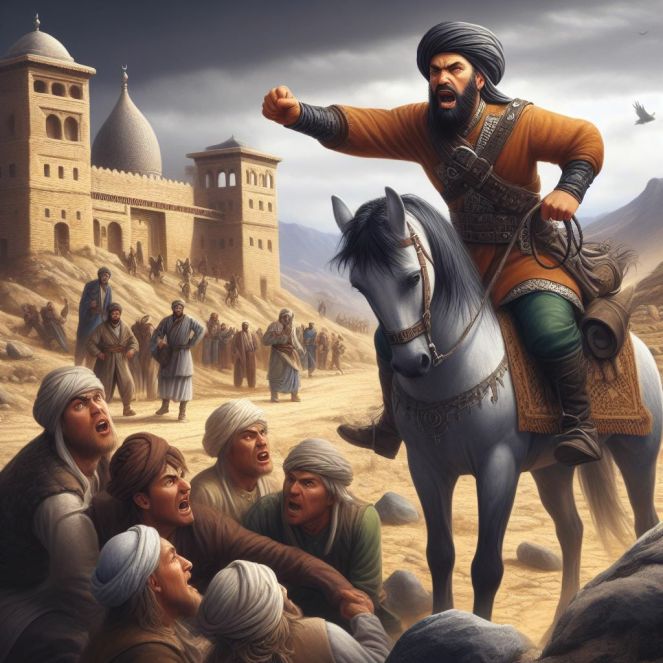
Abu-Talib’s status played a big role in protecting the prophet and Ali. The notables of Makkah visited Abu-Talib. They urged him to convince Prophet Muhammad to forsake what he called for. They even offered to instate the prophet as their king in return. Abu-Talib delivered their offer to the prophet. His response was,
“O uncle, if they were to put the sun in my right palm, and the moon in my left, I will never stop preaching Islam till I see it prevail, or die trying.”
Prophet Muhammad never accepted the idolaters’ alluring offers. He insisted on delivering his message in the face of persecution. He endured poverty, hunger, and brutal assaults. Yet, he never waived his mission. Ali learned the lesson of his life from the prophet’s firm stand. He learned that making victorious what’s right is what defines real men. Starting this moment, Ali was no longer a boy, he became a man. Although his father didn’t embrace Islam, Ali did, and he never changed his path.
Years passed by. The idolaters’ persecution worsened. Yet, Muslims stood fast. They never gave in or renounced their faith. Prophet Muhammad continued to preach Islam. He never compromised his freedom of speech. That’s the effect of faith when it fills one’s heart and mind. It strengthens your will and encourages your heart. It enables you to walk the most dangerous paths without breaking or backing away. The Muslims’ firm stand shocked the idolaters. They decided to kill Prophet Muhammad. Every tribe presented one of its men for this evil mission. They wanted to scatter the prophet’s blood among all tribes. As such, his followers wouldn’t dare avenge him.
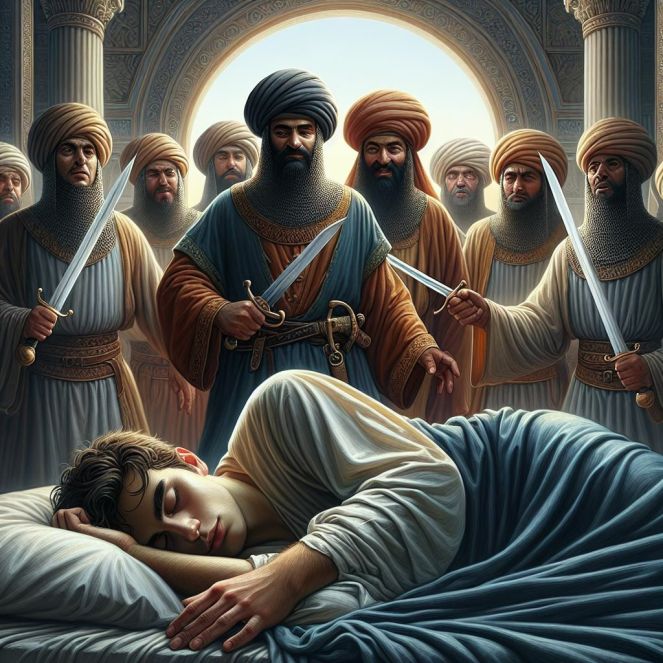
Allah revealed to the prophet their scheme and ordered him to immigrate to Madinah. At that time, all Muslims had already immigrated. The only remaining ones were the prophet, Abu-Bakr, and Ali. The prophet summoned Ali and informed him of the idolaters’ plan. He ordered Ali to sleep in his bed that night and assured him that no harm would befall him. The idolaters had eyes all around the prophet’s house. It was mandatory that their spies would see someone sleeping in the prophet’s bed. That would grant the prophet enough time to get out of Makkah. The Prophet ordered Ali to stay behind and return all trusts to their rightful owners.
Ali was the only one capable of carrying out this mission. He was the only companion who had full knowledge of these trusts and their owners. At that time, Ali was 23. He didn’t hesitate to obey the prophet’s command. He had no doubt that what the prophet told him was the truth. Nonetheless, the situation was dangerous. What if the assassins killed Ali in a burst of anger? What if they stabbed him before noticing he was not the prophet? What if they decided to kill him to hurt the prophet? Many questions could have risen inside Ali’s mind enabling doubt to creep into his heart. This never happened. Sleeping in the prophet’s bed that night made Ali the first redeemer in Islam. His heart was true. His bravery was matchless.
Ali accomplished his mission. He followed the prophet to Madinah after three days. There, Muslims were forming a new community free from tribalism. The prophet started this mission by establishing brotherhood between Madinites and Makkans. For every immigrant, the prophet chose a brother from Madinah. He ordered them to look after one another. He made sure that all immigrants had someone to help them settle down and start a new life. The only person left behind was Ali. He asked the prophet why he didn’t establish brotherhood between him and any of the Madinites. The prophet said, “You are my brother in this life and the next.” That was an honor that all Muslims craved but only Ali received.
The prophet led the process of building a civil state. All people were equal abiding by one law. After establishing brotherhood between Muslims, the prophet turned to people of other faiths. He gathered Muslims, Jews, and the pagan minority on one constitution. They agreed that they were all one nation. Each party was free to profess its religion. If attacked by a foreign enemy, they would all contribute to defending Madinah. All parties were to consult each other. Any wronged party should be given aid by the other parties. They declared Madinah a sacred city for those concerned with this constitution. If disputes arose between the previous parties, Prophet Muhammad would judge between them. Finally, all those concerned with this constitution were to boycott Makkans. That was a punishment for the crimes they had committed against Muslims.
News of Muslims’ progress reached Makkans. The idea of a city ruled by Muslims posed a huge threat to their way of living. Hence, they planned to abolish Islam once and for all. To shake Madinah’s unity, they sent Muslims a note. They threatened to invade their new homeland. The Prophet received information confirming that Makkans were planning to attack. Muslims sent scouts to every road leading to Madinah to warn the people of sudden attacks. It was then that Allah permitted Muslims to fight back. Allah revealed to the prophet these verses:
“Allah will defend the believers. Allah does not love the faithless or the ungrateful. Permission to fight back is granted to those who are attacked. That’s because they have been wronged. Indeed Allah has the power to help them. Those who have been driven out of their homes unjustly because they declared, ‘Our Lord is Allah.’ If Allah does not repel the aggression of some people by others, cloisters, churches, synagogues, and mosques, wherein the name of Allah is invoked, would be destroyed. Allah will help those who support His cause. Allah is indeed powerful and mighty.”
Muslims lived in Makkah for 13 years enduring all sorts of persecution. They were subjected to beating, mutilation, execution, and expulsion. They had to endure economic boycotts and starvation for years. Nonetheless, they didn’t receive any permission to fight back. Allah ordered them to immigrate to Madinah. They left their homeland and possessions and escaped to a new place. A place where they don’t have to hide anymore. A place where they can practice their religion freely. Yet, their persecutors continued to threaten them and forced war upon them. The above verses order Muslims to fight in self-defense and defend their country. They order Muslims to fight aggressors until there is no compulsion in religion. All people should be able to embrace whichever faith they believe in. Houses of worship should not be attacked. Freedom for all people is Allah’s cause. Fighting for this cause is Muslims’ greatest honor. It’s called ‘Jihad.’
Will Prophet Muhammad and his companions fight back? That’s a story for another night. I’m sure you must be exhausted by now. Sleep tight little angels. What’s yet to tell is overwhelming. May your days be as great as the days in our tales. A child may be destined for greatness beyond his parents’ imagination. May you be worthy. Amen.
Part II
When Prophet Muhammad received the order to fight, he was 54 years old. Up till that moment, he had led the most peaceful life. The pagans often attacked him in Makkah. Yet, he never lifted a finger to defend himself. His companions were shepherds, farmers, caravan travelers, and former slaves. None of them had any military knowledge. None of them held a sword and fought before. Their utmost experience was in the usage of bows and arrows in hunting. They never participated in any battle before.
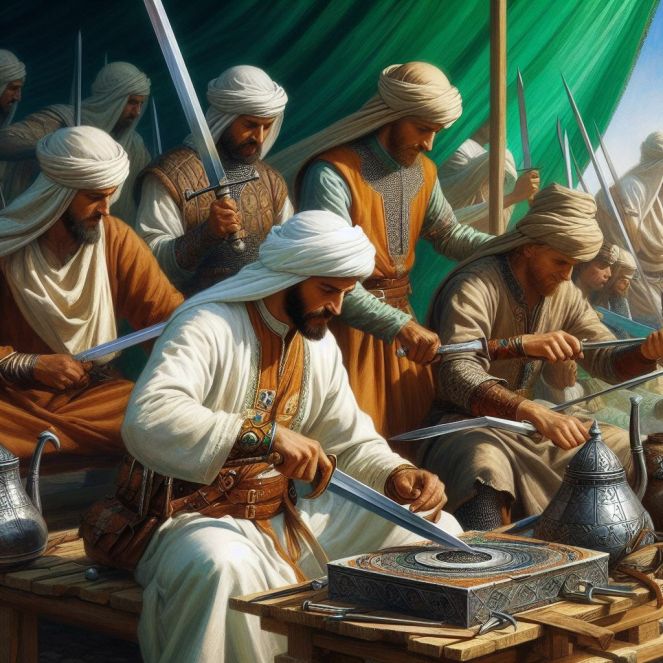
Fighting meant that Muslims had to prepare an army. Every soldier must be equipped with a sword, armlets, a helmet, and a light shield. A platoon of archers must be assembled and equipped with bows and arrows. Muslims were poor at that time. They couldn’t afford to buy horses. They took turns in riding the available camels. They slaughtered some of it for food. The immigrants had left their possessions in Makkah. The idolaters seized these possessions. Muslims who were caught trying to immigrate were forced to leave behind their money. Prophet Muhammad convened with his companions. They decided to send scouts to the roads that Makkan caravans took in their trading trips. The scouts brought back news of a big caravan returning to Makkah. Its leader was a Makkan Master called Abu Sufyan Ibn Harb. This was a chance to retrieve some of the money the idolaters had unlawfully taken. As such, Muslims rode out to confiscate the caravan. The idolaters learned about the Muslims’ plan from their scouts. They dispatched a quick rider to deliver the news to Abu Sufyan. Hence, he took a different path to Makkah. Meanwhile, Makkans assembled a big army and marched towards Madinah.
These were hard times. Muslims were inexperienced and outnumbered. Their resources were scarce. Prophet Muhammad gathered his companions. He told them that he decided to go out and meet Makkans outside Madinah. That was to protect Madinah from destruction. A companion named Al-Meqdad Ibn Amr said, “O prophet, we won’t say what the Israelites said to Moses, ‘Go and fight you and your lord. We will stay here.’ Nay, go and fight you and your lord. We will fight at your side.” Al-Meqdad was Makkan. The prophet wished to hear the Madinites’ opinion as well. He repeated, “O people, tell me what you think.” Sa‘d Ibn Mu‘adth, the Madinite leader, spoke. He said, “O prophet, we have believed in you. We have pledged our allegiance to you. Do what you were ordered to do. We will always follow you. I swear if you were to order us to wade into the sea, we wouldn’t hesitate. With the blessings of Allah, march to battle. We are with you.” Glad tidings showed on the prophet’s face. He said, “Prepare to march out. I give you tidings of a great victory.” The companions showed no hesitation. They made the available preparations and marched out with the prophet.
The Muslim army comprised 311 foot-soldiers and 2 horsemen. The idolaters’ army comprised 850 experienced soldiers and 150 horsemen. 60 miles outside Madinah, both armies camped. It was a place near the wells of Badr. The prophet ordered his companions to camp between the wells and Madinah. A companion named Habbab suggested moving the army beyond the water wells. He expressed his fear that Makkans would seize control of the wells. Moreover, Badr wells were Madinite wells. Hence, those who had come to attack Madinah didn’t have the right to drink from its water. The prophet agreed to that suggestion. Later on, Muslim scouts brought news about the idolaters’ numbers and power. They informed the prophet of their leaders. The prophet said, “Makkah has sent its mightiest sons.” It was Ramadan and Muslims were fasting. Nonetheless, they never wavered.
The prophet divided his army into two companies. He gave the command of the first to Sa‘d Ibn Mu‘adth. His company held the left wing of the Muslim forces. The prophet gave the command of the second company to Ali. His company held the right wing. Ali was 24 at that time. Each company had one horseman. Az-Zubair Ibn Al-‘Awwam, the prophet’s cousin, was with Ali’s company. Al-Meqdad was with Sa‘d. These four men were among the bravest who ever lived.
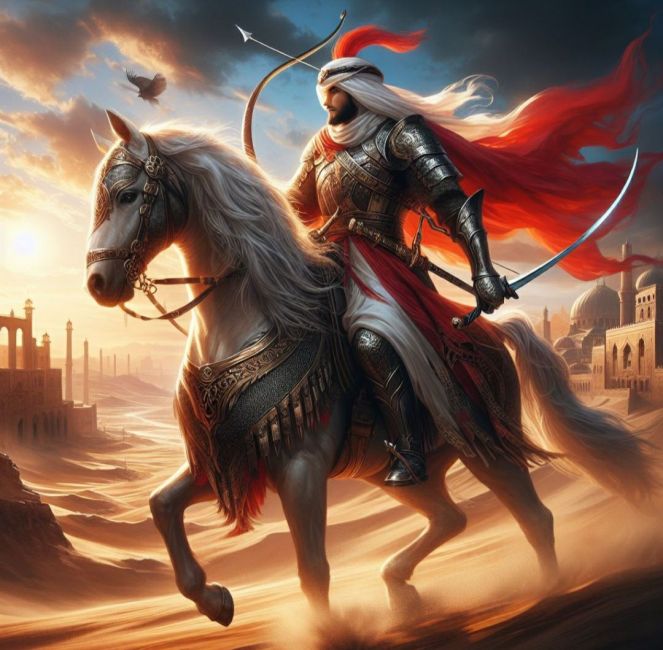
On the 17th of Ramadan, the two armies met. The idolater leaders called for a duel. Three of their best swordsmen stepped forward. Three Muslims from Madinah stepped forward to meet them. However, the idolaters said, “We didn’t come here to fight you. Send out our Makkan peers.” On hearing that, the prophet estimated the ages of the three idolaters. He ordered his uncles Hamza and Obaydah to face the two older men. He then ordered Ali to face the third fighter who was a strong young man. The six men pulled out their swords and the duel started. Hamza and Ali were able to defeat their opponents. Obaydah and his opponent wounded one another before Hamza finished the idolater off. Then he and Ali carried Obaydah back to their lines.
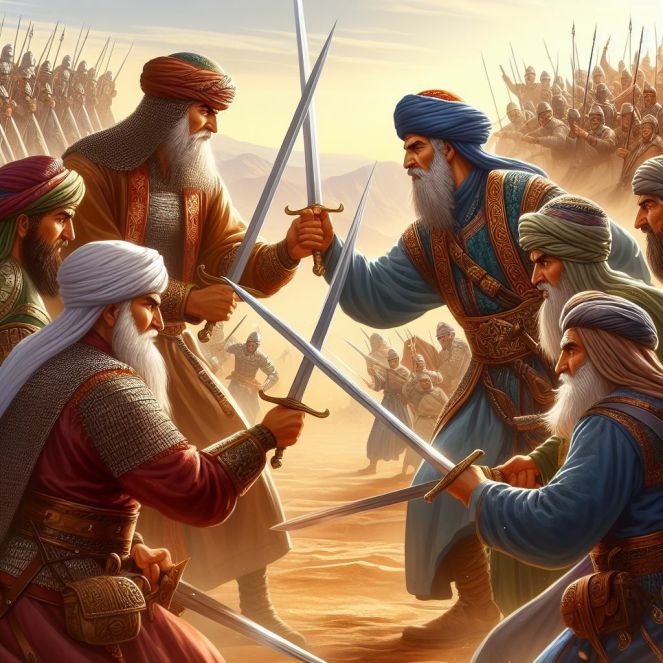
The idolaters were enraged by the loss of their men. Things escalated and the battle started. Muslim archers did their best to slow down the idolaters’ attack. They were able to hit a couple dozen before the sword duels started. Hamza and Ali played a big role that day. They were unstoppable. The Muslims who fought on that day are always labeled the truest warriors. Prophet Muhammad said, “Perhaps Allah looked upon the outnumbered few who fought at Badr and said, ‘No matter what you do, I have forgiven your sins.’ ” That was an honoring for those who stood their ground that day.
Against all odds, Muslims won the battle. The idolaters retreated back to Makkah after losing 70 men in the battle. 70 more were taken as prisoners of war. Meanwhile, Muslims lost 14 martyrs. When they returned to Madinah, the prophet ordered them to treat the captives kindly. He set a ransom for releasing those who were rich. Among the rich ones was his uncle, Al-Abbas. As for those who weren’t rich, the prophet placed a condition for setting them free. Every one of them must teach 10 Muslims how to read and write.
Abu ‘Aziz Ibn ‘Umayr, reported his captivity story. He said, “I was captivated by some Madinites. Whenever they served a meal, they favored me with the bread. They only ate the dates. Whenever a piece of bread reached one of them, he gave it to me. Feeling embarrassed, I tried to pass it on to anyone else. Yet, they all pushed my hand back without touching the bread.” For Arabs, bread was the most precious food. Wheat was hard to grow in the desert. Dates on the other hand were abundant. Amazingly, many of Badr Captives embraced Islam later on. Their captivity was a wake-up call. Allah’s destiny works in the most unexpected ways.
Now, shouldn’t we wonder how Muslims were able to break the attack of 150 horsemen? Foot soldiers cannot stop this striking force in an open field. Allah revealed to Muslims the answer in the Qur’an. “Your Lord revealed to the angels: ‘I am with you. Support the believers. I will cast terror into the hearts of the disbelievers. Strike above their necks and strike their fingertips.’ That is because they defied Allah and His Messenger. If anyone defies Allah and His Messenger, Allah punishes him. That is what you get! Taste it! And the torment of the hellfire awaits the disbelievers.”
These verses were revealed after the battle. They serve as a reminder that victory is not given to those who have stronger armies. No, it is given to those who have stronger faith. Allah grants his support to those who are righteous. May Allah guide you, little ones. May your hearts be true and brave.
Will the idolaters give up and let the Muslims be? Or will they seek revenge for their defeat? That’s a story for another night. Sleep now. May the spirits of our heroes visit your dreams. Amen.
Part III
Fatima, Prophet Muhammad’s youngest daughter, turned 18 after the battle. The prophet’s companions raced to ask the prophet for her hand. They were eager to connect their lineage to the prophet. However, the prophet turned down all proposals. He apologized even to Abu-Bakr and Omar when they proposed. A wise observer would feel that the prophet was waiting for a certain man to propose. Abu-Bakr and Omar noticed that. They went to Ali and said, “Fatima is receiving marriage proposals. Many men have asked the prophet for her hand but he declined. Why haven’t you proposed yet?” Ali said, “The prophet refused the proposals of rich men. I’m a poor man. Would the prophet accept to wed his most beloved daughter to me?” They said, “We believe it is you he’s waiting for.”
Ali followed their advice. He paid the prophet a visit. Ali’s respect for the prophet was beyond description. The situation was super embarrassing for him. He was a fearless warrior on the battlefield. Yet, he was so scared at that moment. His fear kept him silent. The prophet said, “What’s up Ali? Do you need anything?” Ali faltered and said, “Yes, O prophet. I have come to ask you for something but I’m embarrassed to speak.” The prophet immediately said, “You have come to ask for Fatima’s hand.” Ali said, “Yes prophet. That’s why I’m here.” The prophet asked him, “Can you pay her dowry?” Ali said, “You know my conditions better than all. I have nothing fit to be her dowry.” The prophet asked, “What happened to the strong iron shield I have given you?” Ali didn’t understand. The prophet said, “Bring it over. It’s Fatima’s dowry.”
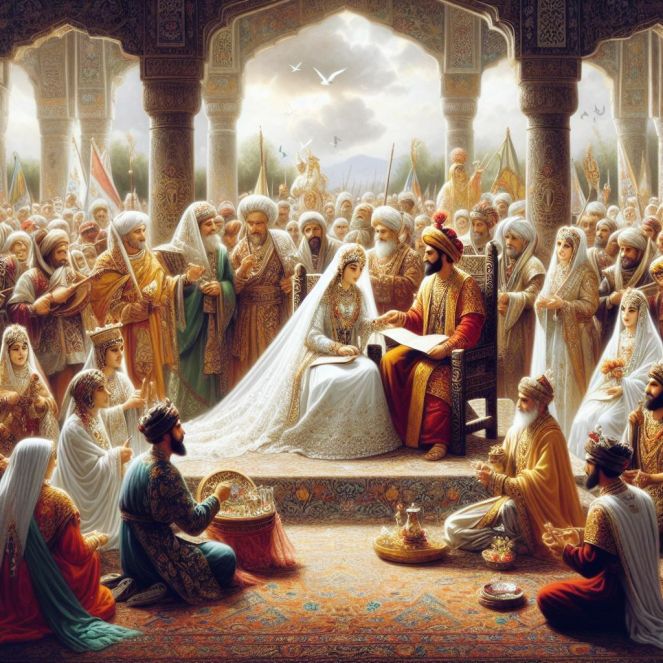
Ali sold the shield. Its price covered the necessary marriage expenses. The Prophet then told Ali to summon Abu-Bakr, Omar, and the elder Muslims. He gave a short sermon and said, “Today I wed Fatima and Ali. Allah ordered me to wed them.” And so Ali and Fatima got married. Within nine months, Fatima gave birth to a boy. The prophet advised Ali to name him Hassan. Muslims gave the boy ‘Al-Hassan’ as an honoring title. It means the beautiful one. And indeed he was. His birth was one year exactly after Badr Battle.
Meanwhile, Makkans were preparing to attack Muslims again. Abu Sufyan spent 50,000 dirhams to prepare a large army. 3000 fighters joined his army. 3000 camels were prepared for the trip. 200 battle horses were prepared for war. Abu Sufyan gave the cavalry leadership to Khaled Ibn Al-Waleed and ‘Ekremah Ibn Amr. These two were fierce fighters. Their sword skills and horsemanship were superb. When the army was ready, they marched towards Madinah.
Muslim scouts delivered the news to Prophet Muhammad. Muslims were still not strong enough to face such an army. The prophet suggested that they barricade Madinah and fight within its walls. The younger companions wanted to go out and meet Makkans away from the city. The prophet agreed and ordered Muslims to prepare. 700 men was the number of Muslims. 650 were foot soldiers, 50 were archers, and they had 4 horsemen. Companion Mus‘ab Ibn ‘Umayr carried the Muslims’ banner. As a new father, the prophet didn’t give Ali the banner. Nonetheless, Ali took his place at Mus‘ab’s side.
Beside Mount Uhud, the two armies camped. The prophet convened with his companions. He ordered the archers to ascend a hill next to Uhud. “Stay there till the battle is over,” he said. Their duty was to snipe as many idolaters as possible. That would slow down their attack. Meanwhile, the prophet chose a defense location confined between the mountain and the hill. It was a narrow path that would enable Muslims to face the large numbers of idolaters.
About 370 days after Badr Battle, the two armies met. In the beginning, Muslims showed great courage. They were able to stop the idolaters’ attack. The archers were sharp. They created chaos amidst the idolaters’ lines. Mus‘ab pressed forward driving the idolaters back. Some of their men started shouting, “Retreat.” They threw down their weapons and started running in fear. Muslims were gaining the upper hand and victory was almost theirs. However, winds don’t always blow your way. When the archers saw the idolaters running scared, they thought the battle was over. Many of them left their location and hurried down to collect the booty. That was a fatal mistake. Khaled Ibn Al-Waleed saw that. It was an opportunity a smart army leader wouldn’t miss. He led a horsemen force around the hill and attacked the Muslims’ back lines. ‘Ekremah attacked the front lines with his men. Tables turned and chaos struck the Muslims’ army.
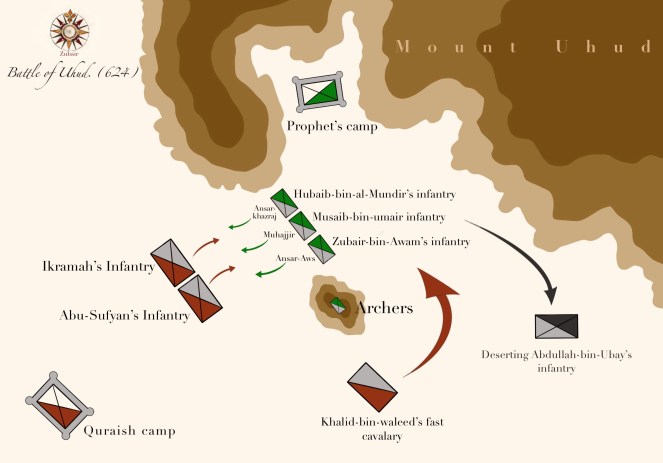
Khaled’s attack was overwhelming. The escaping idolaters reformed their lines and attacked again. Muslims were flanked. There was no escape. Hamza was fatally bayonetted. On seeing that, many Muslims started retreating. Mus‘ab received a fatal stab. When he fell, Ali took the banner and stood fast. Mus‘ab looked like Prophet Muhammad. Some idolaters thought he was the prophet. They shouted, “Muhammad is dead.” This made many Muslims lose heart and lay down their weapons. It also made many idolaters intensify their attacks.
A companion called Anas Ibn An-Nadr saw the Muslims who laid down their weapons. He shouted at them, “What’s wrong with you?” They said, “The prophet is dead.” He said, “Then fight till you die defending your faith as he did.” He then attacked the idolaters. He continued to tear down their lines until he received his martyrdom.
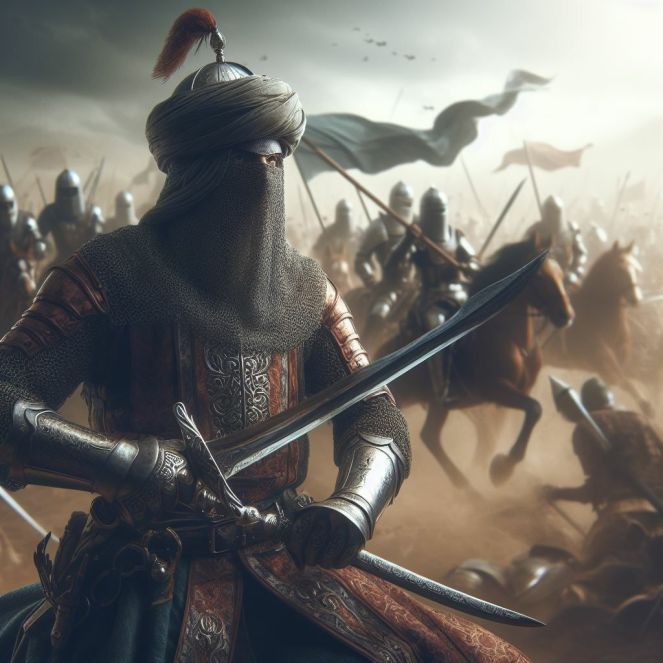
The prophet ordered Muslims to ascend Mount Uhud. That was the only way to survive. On spotting him, the idolaters attacked his location. They wounded the prophet several times but he stood his ground. His nose was bleeding. His front teeth were partially broken. His helmet got stuck around his head from the sword strikes. At that moment, two men stood defending the prophet. Az-Zubair Ibn Al-‘Awwam, the prophet’s cousin, and Talhah Ibn ‘Obayd. These two were among the earliest to embrace Islam. Az-Zubair helped the prophet as they ascended Uhud. Talhah shielded the prophet with his body and received severe wounds. Seven of the Madinite youths joined them. Ali led his men towards the prophet’s location to break the siege. The seven young men received their martyrdom defending the prophet. The battle was getting fiercer and Muslims were gathering around the prophet. The prophet continued to fight till his arms went numb. A woman called Um-‘Emarah was a nurse in the Muslims’ army. On seeing the prophet in that condition, she grabbed a bow and started sniping down the idolaters. When her arrows were over, she grabbed a sword and continued to defend the prophet.

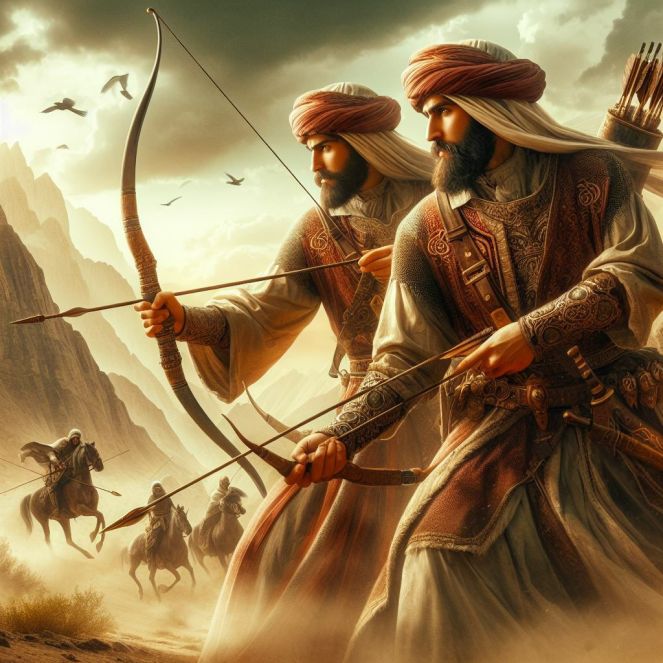
Sa‘d Ibn Abi-Waqqas and Abu-Talhah Al-Ansari, the companions, were sharp archers. They led a squad of archers and sniped down the idolaters who tried to ascend the mountain. That gave Muslims a chance to join forces around the prophet again. They stood fast and broke the idolaters will to fight.
Things calmed down. Abu-Sufyan shouted, “Our idols are triumphant today. Is Muhammad still alive? Is Abu-Bakr alive? Is Omar alive?” At first, he received no answer. He said, “We have victory. We have killed Muhammad.” Omar lost his tempers and responded, “You’re a liar. All those you named are still alive.” Abu-Sufyan said, “We have avenged ourselves. Today’s victory abolished Badr’s defeat.” The Prophet then responded, “Nay, your dead are in the hellfire, but ours are in heaven.”
The idolaters retreated away from the mountain. The Prophet ordered Ali to follow them covertly and see where they were heading. He told Ali, “If they head towards Madinah. Hurry back to inform me. I swear to descend upon them and fight till the last man.” Ali followed the prophet’s orders. He saw the idolaters collecting their dead and riding their camels. They led the horses ahead. That meant they were returning to Makkah. He brought the news back to the prophet. Muslims came down the mountain. The men attended to the martyrs. The nurses attended to the wounded. The prophet ordered his companions to bury the martyrs every two in one tomb. He stood crying beside his uncle’s body. Hamza was a real man and the prophet loved him so much. Among the martyrs was an unidentifiable man. His body had over 50 wounds. His face was deformed. A woman identified him from his ring. She said, “That’s my brother, Anas Ibn An-Nadr.”
Muslims lost about 70 martyrs that day. Nonetheless, they learned a very important lesson. Never disobey an order the prophet gives lest you go astray. If the archers obeyed the prophet’s orders that day, Muslims would have won. Sometimes defeat is a doorway to victory. But you must learn from your mistakes and never repeat them again. Among the Muslims’ army, there were some hypocrites. They escaped the battlefield revealing their hypocrisy. Muslims took great caution in dealing with them from that day on. The Madinite Jews, too, refused to fight alongside the prophet. They said, “We do nothing on Saturdays.” A rabbi called Mukhaireeq refused what they said. He told his sons, “If I die, half of my wealth is for Muslims.” He rode out with Muslims and died defending Madinah. The prophet said about him, “Mukhaireeq was the best of the Jews.” That warned Muslims not to trust their Jewish allies.
After Muslims buried their dead, the prophet ordered them to stand in ranks. He said, “O Allah, all praises be to you. We accept your destiny. You know what’s good and what’s bad for us; we know not. We ask for your blessings, mercy, and favors. We ask for your help on hard days. Protect us from all dangers. O Allah, endear faith to our hearts. Avert our hearts from all evils. Let us live as righteous people and die as Muslims. Then let us join the pious and the kind. O Allah, fight the truth deniers. Cast your wrath upon them. You are the only true God.”
Will Muslims give up? Will they move to a different place? Or will they learn from their mistakes and move on? That’s a tale for another night. Know little ones that heroes are not those fancy figures with super powers. No. Heroes are ordinary people who insist on making victorious what’s right. They continue to do so no matter the odds. People may tell them to stop or back away. Nonetheless, they never surrender or give in. They get up after every strike. They move on after every setback. They do not stop till they succeed or die trying.
Sleep now. May your lives be full of triumphs. May you succeed in making victorious what’s right. May you continue what your predecessors started. Amen.
Part IV
Muslims survived. Uhud battle loss was a huge setback. Yet, setbacks are turning points if people learn from their mistakes. That’s exactly what Muslims did. The prophet showed great kindness towards orphans and widows. His companions followed his example. They took care of their fallen brothers’ families. The prophet said, “A family among which an orphan lives and is treated kindly is the best. Embrace orphans, wipe over their heads, and Carry them on your lap. This softens one’s heart and chases away worry. Whoever is assigned as a guardian on an orphan’s property, let him invest it wisely. You shouldn’t let it be consumed by alms.” Muslims competed among themselves in following this code. Many of the heroes in our history were orphans. Prophet Muhammad himself was an orphan.
Muslims reorganized their affairs. After that, they directed their attention to their Jewish fellow citizens. Jews are not Arabs. Their tribes settled in Arabia decades before Islam. They were awaiting a prophet promised in the Torah. Jewish holy books give glad tidings of an unlettered prophet. They state that he who would appear in the forest of Arabia. He would immigrate to this forest seeking refuge. When Prophet Muhammad reached Madinah, a few jews followed him. The majority refused his prophethood. They thought that the awaited prophet must be an Israelite. As such, they declared allegiance to Muslims outwardly. But in reality, they concealed enmity for the prophet and his followers.
After Badr battle, Abu-Sufyan visited Bani An-Nadir Jewish tribe. He was leading a squad of horsemen seeking to terrorize Muslims. Against Madinah’s constitution, Bani An-Nadir’s leader received him. He gave Abu-Sufyan all the information he asked for. He also helped Abu-Sufyan kill a Madinite Muslim and burn down some of Madinah’s palm trees. Prophet Muhammad and his companions chased Abu-Sufyan’s squad away. However, they didn’t punish the Jewish leader for his treason. They aimed to preserve the unity of Madinah. They didn’t wish to provoke the enmity of the Jews.
Later on, this tribe refused to defend Madinah during Uhud battle. They even tried to assassinate the prophet after the battle. When their treacherous acts became unbearable, Muslims decided to expel them. The prophet sent them a warning to leave within 10 days. They refused and secured themselves inside their fortress. Muslims besieged the place for 2 weeks after which the Jews surrendered. They asked to leave in peace, and the prophet accepted. They moved north towards their cousins at Khaybar. Together they plotted to destroy Madinah. Their leaders traveled to all idolater tribes. They encouraged them to attack Madinah and destroy it atop the Muslims’ heads. They promised to give them aid during the battle. Their goal was to abolish Islam and kill the prophet. An army of 10,000 strong fighters was assembled. Almost two years after Uhud’s day, they arrived at Madinah and besieged it.
Muslims were not taken by surprise. Their scouts brought news of the idolaters’ preparations weeks before their arrival. Prophet Muhammad convened with his companions. A companion called Salmaan Al-Faresy suggested that they dig a trench around the city. Salmaan was Persian. His people used this tactic to defend their cities. He explained that this trench would stop the enemy’s army. That would grant Muslims a better chance to face the bigger attacking forces. Madinah had a rectangular form. It was confined between chains of mountains from three sides. That left one vulnerable side. Muslims agreed to follow Salmaan’s advice. They worked day and night in digging the trench on that side. They moved the women and the children to the southern side of Madinah to keep them safe. There was a narrow path on that side that led into the city. Prophet Muhammad entrusted the Jews of Bani-Qurayzah with its defenses. He didn’t know they were among the parties involved in this evil attack. He never imagined they would betray their fellow citizens.
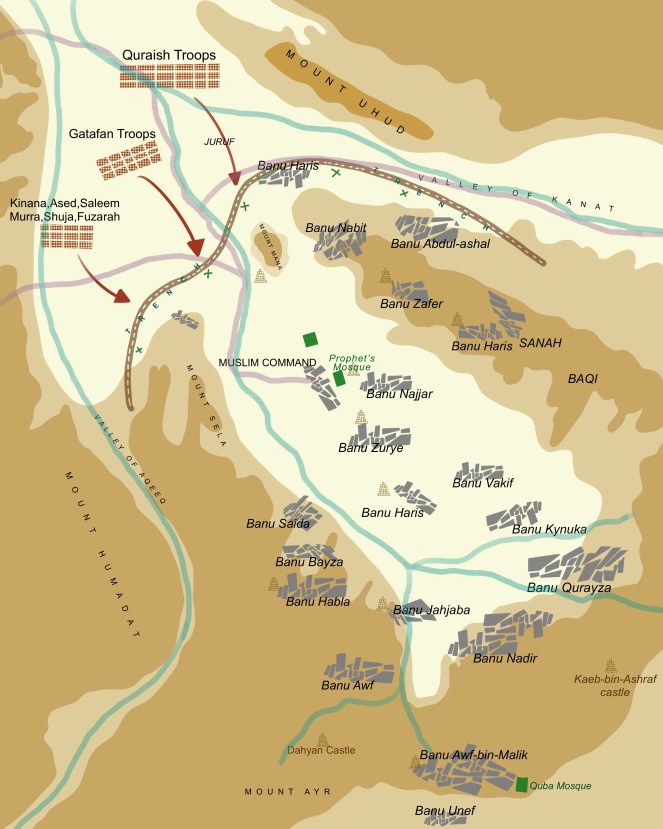
When the idolater army reached Madinah, they were shocked. The trench trick was new. They never saw it before. They didn’t know how to deal with it. Their leaders ordered camps to be prepared for a long siege. They made many attempts to break through the trench. Muslim archers and spearmen thwarted their attacks. A group of idolater horsemen decided to carry out a sudden attack. Among them were Amr Ibn-Wud and ‘Ekremah Ibn Amr. Amr was known to be undefeatable in sword duels. He was well-versed in war affairs. ‘Ekremah was known for his sword skills and bravery. Together with a few more courageous men they broke through the trench. Ali took the prophet’s banner and led a group of the companions. They succeeded in closing the gap Amr and ‘Ekremah created in the trench. Amr Ibn-Wud called for a duel. The chance that Amr would lose was so small. Most Muslims were afraid to face him. At that moment, Ali said, “I will face him.” Prophet Muhammad said, “No Ali. That’s Amr.” Ali responded, “O prophet, let me face him. I can defeat him.” Sensing Ali’s persistence, the prophet accepted. He invoked Allah to protect Ali and grant him victory.
Ali approached Amr. Amr asked him, “Who are you?” Ali responded, “I’m Ali Ibn Abi-Taleb.” Amr mocked Ali saying, “O nephew, you are still young. Go back and send me one of your uncles. I swear I hate to put you down.” Ali responded to Amr’s mockery saying, “And I swear I don’t hate to put you down.” On hearing that response, Amr’s face changed. He looked like a devil from hell. He attacked Ali and the duel began. Ali showed perseverance blocking strike after strike. Amr was a very strong man. One of his strikes forced Ali’s sword down and penetrated Ali’s helmet. The idolaters cheered for Amr to finish the duel. Muslims cheered for Ali to stand fast. Ali wiped his blood and resumed the duel. Amr’s strikes weren’t getting weaker. Ali decided to change tactics. He carried out a surprise attack that Amr didn’t expect. Amr blocked Ali’s first strikes, but then Ali was able to deliver a fatal blow. Muslims cheered, “Allah is greater.” The prophet thanked Allah for protecting Ali. On seeing Amr’s defeat, ‘Ekremah and those with him escaped. Ali saved the day. He protected the Muslims’ dignity. The idolaters were terrified. Their greatest swordsman was defeated by a young Muslim. Their bravest men returned running scared. This reduced their appetite to fight. They carried out a few other attacks, but they failed.

The idolaters were too many. Nonetheless, Muslims were able to hold them back. A long siege was not in the idolaters’ favor. They were far away from home. Their provisions were limited. As such, they sought help from their secret allies. Bani Qurayzah launched war operations against Muslims. They attacked the garrisons that housed the women, the elders, and the children. They provided the idolaters with supplies to support them against Muslims. The prophet learned about this treason. He didn’t believe it at first. He dispatched four of his companions to investigate. Unfortunately, the four men discovered that the news was true. The Jews had already announced that their alliance with Muslims was over. The companions briefed the prophet on the situation. Muslims were in a critical position. They were outnumbered, starving, and tired. Their backlines were vulnerable to Bani Qurayzah’s attacks. Their families stood in-between unprotected. The huge idolater’s army was attacking them from the front. The Muslims’ army comprised 3000 men. Half were fit to fight. Those formed the front lines with the prophet. The other half gave aid to the fighters. On learning the bad news, the prophet dispatched 700 men to defend the women and children.
Khaled Ibn Al-Waleed led a group of horsemen. They broke through the trench. A small battle took place between them and a force of Muslims. The encounter ended with no clear victory. Companion Sa‘d Ibn Mu‘adth was wounded. Three of the companions received their martyrdom. The prophet ordered the nurses to prepare a tent inside the mosque. The companions carried Sa‘d and the wounded to it. The prophet then invoked Allah saying,
“O Allah, you sent down your message, your judgment is just and swift. Defeat the confederates, defeat them and strike fear into their hearts.”
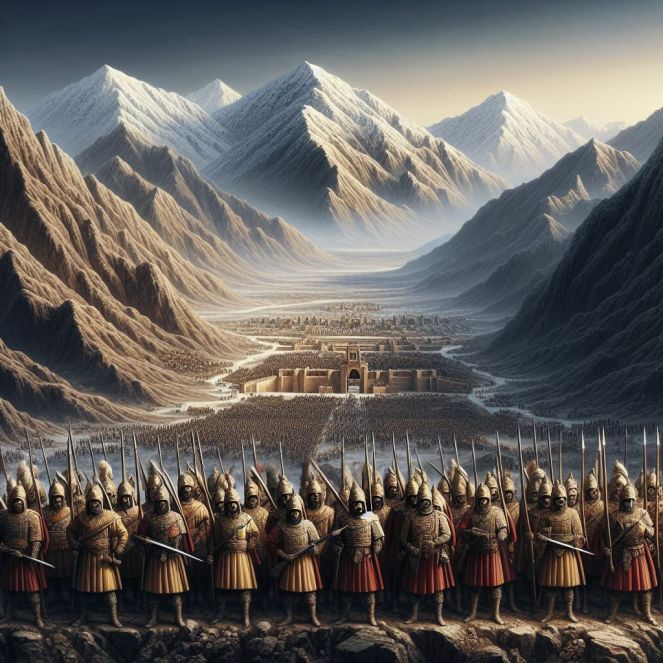
Things were getting darker by the hour. Nonetheless, Muslims stood fast. Know little ones that it’s at such hard times that Allah interferes. An idolater called No‘aym Ibn Mas‘oud embraced Islam during the siege. True that Allah guides whom He wills. Yet, the timing and place couldn’t be more surprising. That man infiltrated Madinah at night. He asked to meet the prophet. He declared his faith to the prophet and asked him what to do. The prophet said, “Amidst our ranks, you are one man. Return to your people. Try to hinder them from attacking Madinah. War is a trick.”
No‘aym followed the prophet’s order. He had old commercial relations with Bani-Qurayzah. He went to their fortress and asked to meet their leader. He said, “You are my partners. We have stable relations. I’ve come to warn you from Quraysh. They are faraway from their families and homeland. If they are victorious, they will sack Madinah. If not, they will return to Makkah. Then, you will have to face Muslims by yourselves. If they order you to attack, ask them for hostages from among their notables. This is the only way to force them to fight till the end.” The Jewish leaders found his advice fair and wise. They thanked him and prepared to dispatch a man to the idolaters with this demand. No‘aym left them and hurried to the idolater leaders. He said, “Beware people. I’ve learned that the Jews regretted breaking their alliance with Muslims. They sent Muhammad a messenger to apologize. They informed him that they are going to ask you for hostages. Thereafter, they are going to deliver the hostages to his hands. If they do ask, don’t send them a single man.” That simple trick was brilliant. It broke the alliance between the Jews and idolaters. The Jews refrained from giving them aid. That was the beginning of their defeat.
The idolaters continued to besiege Madinah. They changed tactics in attacking Muslims. When Muslims were about to break, something miraculous happened. Sand storms hit the idolaters’ camp. These winds were very strange. They continued for days. Nonetheless, they did not hit Madinah. These winds blew away tents. They put off fires, and they spilled all food pots. The idolaters were terrified. Many of their forces started leaving. With time, not one brigade remained. About this incident, Allah revealed the following verses, “O believers! Remember Allah’s favor upon you when the enemy forces besieged you. We sent against them bitter winds and forces you could not see. Allah is All-Seeing of what you do.”
Allah saved Muslims. He saves those who are righteous. Things calmed down. It was then time to punish the traitors of Bani Qurayzah. Muslims headed towards their fortress. The traitors refused to submit to trial. Muslims besieged them for 25 days after which they surrendered. Other Jewish tribes interceded. They begged the Prophet to be lenient towards their brethren. The prophet accepted their demands. He allowed them to choose a Madinite to judge them for their crime. The Jews convened and chose Sa‘d Ibn Mu‘adh. He was their former Madinite ally. They thought he would set them free for old time sake. The companions carried Sa‘d from the infirmary to the fortress. He listened to the Jews’ argument then gave his verdict. He said, “All their able-bodied men should be executed for treason. Their families should be taken in bondage. Their wealth should be divided among the fighters who defended Madinah.”
This verdict was the one prescribed in the Torah. Sa‘d chose to set the Torah as the judge on Bani Qurayzah. The Jews fell into the trap of their own wit. Three Jews refused to betray their pact with the prophet. They surrendered themselves to him during the siege. The prophet ordered his companions to let them go. He said, “Allah saved them for their loyalty.”
Know little ones that Muslims don’t hate Jews. Muslims hate treachery. If those who committed treason during the war were a party of Muslims, they would have been executed. The gravest of all sins is associating partners with our creator. The gravest of all crimes is treason. Prophet Muhammad said about that, “Even if one betrays me, I won’t betray him.” Good people never betray. Never forget this.
Sleep now, sweethearts. It has been a long night. Tomorrow I will tell you more about Prophet Muhammad and his companions. There are yet more tales to tell about Ali’s bravery. May their spirits guide you through life. Amen.
Part V
Allah saved Muslims from the idolater-Jewish alliance. This had an impact on all Arabs. They began to fear Muslims. Invading Madinah became their worst nightmare. For the first time in 18 years, Muslims enjoyed some security. Then it happened one night that the prophet dreamed of Makkah. He saw himself and his companions at the sacred mosque. They were praying and worshipping Allah securely. Prophets’ visions are orders from Allah. The next day, the prophet ordered his companions to prepare for pilgrimage. 1400 accompanied the prophet on this trip. They assumed the state of purity and traveled to Makkah.
A few miles outside the sacred city, Prophet Muhammad dispatched ‘Uthman Ibn-Affan to Makkah. ‘Uthman was the prophet’s son-in-law. He was also Abu-Sufyan’s nephew. This was likely to grant him protection. He was to inform Makkans that Muslims didn’t come to fight. Their sole intention was to perform pilgrimage, and then return to Madinah. ‘Uthman carried out his mission. However, the Makkan leaders didn’t believe what he said. They imprisoned him and sent a battalion of horsemen to meet Muslims. This battalion was led by Khaled Ibn Al-Waleed. When Khaled saw the Muslims assuming the state of purity, he returned. He informed Abu-Sufyan that ‘Uthman was truthful.
At that time, a rumor found its way to the Muslims’ camp that Makkans had executed ‘Uthman. The prophet said, “I won’t return before fighting those tyrants. Who swears to follow me and stands fast?” 1400 men against over 8000 Makkans; what are the odds they would survive? Nonetheless, all the companions swore to follow the prophet. This incident took place under a huge Acacia tortilis tree. Hence, it was called, ‘The Tree Oath.’ When Makkans learned of this, they decided to set ‘Uthman free and send Muslims a negotiator. About this incident, Allah revealed the following verses to the prophet:
“Allah was pleased with the believers when they swore allegiance to you under the tree. He knew what was in their hearts. He sent tranquility down to them. He rewarded them with a victory near at hand and with many future gains.”
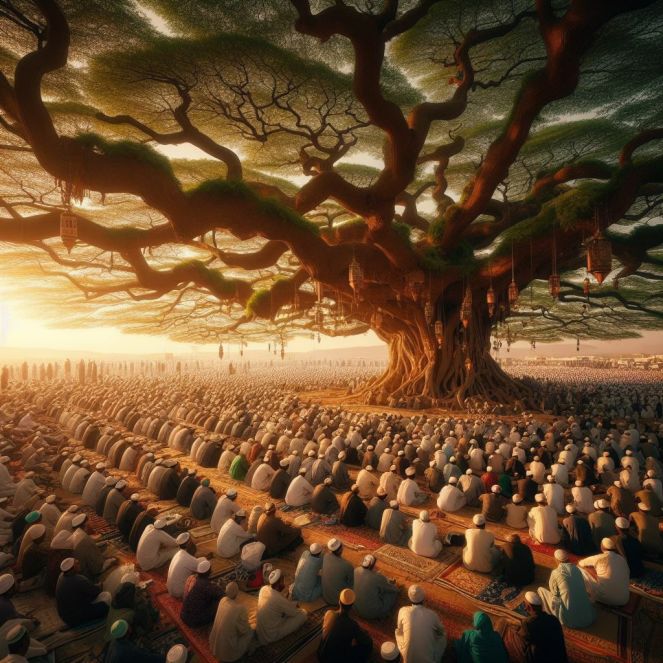
A man called Suhayl Ibn-Amr was Makkah’s negotiator. He agreed with the prophet on a 10-year truce. Every Arab tribe has the right to enter this truce. They may choose which team to take as an ally. Muslims were to return to Madinah and perform pilgrimage the next year. The prophet ordered Ali to write down those terms. Ali opened the treaty with the sentence, “From Allah’s messenger, Muhammad Ibn Abdullah.” Suhayl said, “Stop. If I believed he was Allah’s messenger, I wouldn’t have fought against him. Erase the words, ‘Allah’s messenger.’ ” Ali looked at the man in denial. Prophet Muhammad said, “Erase them, Ali.” Ali turned his face towards the prophet. He was unable to do it. Noting the sadness in his eyes, the prophet said, “Show me the words.” Ali pointed at the words with a hesitant finger. The prophet erased the words himself. He then looked at Ali and said, “One day, you will be in my place, and you will make the same decision for yourself.” When Ali finished writing down the treaty, the prophet and Suhayl stamped it. They named it Al-Hudaybeyah Treaty after the place in which the event took place. After that, Muslims returned to Madinah.
This treaty was a great victory for Muslims. With Makkah neutralized, their Arab enemies were diminishing. This gave them the chance to preach their religion. The prophet dispatched his companions to all the countries in the region. They met with kings, deputies, and rulers. They explained to them what Islam preached. They answered their questions and clarified all misconceptions. Day after day, more people embraced Islam. The call was no longer local, it was turning global. The kings of Oman, Bahrain, and Abyssinia embraced Islam. Many of their subjects did, too. Madinah received delegations from every place. People traveled to meet the prophet and learn from him. Things were changing so fast. The whole world changed because of Al-Hudaybeyah treaty.
Abu-Sufyan, the Makkan leader, was on a commercial trip to Sham. There, Heraclius, the Roman emperor, summoned him and his companions to his court. Abu-Sufyan reported what happened. He said, “Heraclius summoned me to his court. Senior Roman councilors were present. He called for his translator. The translator conveyed to us what Heraclius said.
‘Who among you is related to that man who claims to be a Prophet?’
I replied, ‘I am the nearest relative to him in the group.’
Heraclius said, ‘Bring him closer and let his companions stand behind him.’

The translator told my companions that the emperor wanted to ask me some questions. If I told a lie, they should raise a hand quietly. I swear, if I hadn’t been afraid that my companions would label me a liar, I wouldn’t have said the truth about Muhammad. The first question Heraclius asked me was, ‘What is the status of his family among you?’
I said, ‘He belongs to a noble family.’
Heraclius asked, ‘Has anyone among you ever claimed to be a Prophet before him?’
I said, ‘No.’
He asked, ‘Was anybody among his ancestors a king?’
I said, ‘No.’
He asked, ‘Do the nobles among you follow him or the poor?’
I said, ‘It is the poor who follow him.’
He said, ‘Are his followers increasing or decreasing?’
I said, ‘They are increasing.’
He then asked, ‘Did any of his followers become displeased and renounce his faith?’
I said, ‘Not that I know.’
Heraclius said, ‘Was he ever accused of being a liar before he claimed to be a Prophet?’
I said, ‘No, never.’
Heraclius said, ‘Did he ever break a promise?’
I said, ‘No. We are at truce with him but we do not know what he is going to do.’
Heraclius then asked, ‘Have you fought against him?’
I replied, ‘Yes.’
So he continued, ‘What was the outcome of the battles?’
I replied, ‘Sometimes he was victorious and sometimes we were.’
Heraclius asked, ‘What does he order you to do?’
I said, ‘He orders us to worship Allah alone and not to associate idols with Him. He wants us to renounce our idols and our ancestors’ path. He orders us to pray side by side with our slaves. He wants us to speak the truth even if against our parents or ourselves. He wants us to stay chaste and to keep good relations with our kin.’
Heraclius then ordered the translator to convey to me the following:
‘I asked you about his family. You said that he belonged to a noble family. In fact, all prophets come from noble families among their respective peoples. I asked you whether anybody else among you claimed such a thing. You said ‘No.’ If you said ‘Yes,’ I would have thought he might be following the previous man’s claim. Then I asked you whether any of his ancestors was a king. You said ‘No.’ If you said ‘Yes,’ I would have thought he wanted to take back his ancestral kingdom. I asked whether you ever accused him of telling lies before. You said ‘No.’ So I wondered, how could a person who never told a lie before lie about Allah? I then asked you whether the rich people followed him or the poor. You said it was the poor who followed him. In fact, all previous prophets were followed by this class of people. I asked you whether his followers were increasing or decreasing. You said they were increasing. That’s what true faith is all about. It always finds its way to people’s hearts till it’s complete. I asked you whether any of his followers renounced his religion. You implied it never happened. That’s another sign of true faith. I asked you if he had ever been treacherous. You said ‘No.’ Likewise, all prophets never betrayed. I asked you what he ordered you to do. You said that he ordered you to worship Allah alone. He forbids you from worshipping idols and orders you to pray, speak the truth, and remain chaste. If all that you said is true, that man will very soon occupy this court. I knew from our scriptures that a prophet was going to appear in Arabia. Nonetheless, I never imagined he would be an Arab. If I could reach his city, I would go to meet him. And if I were among his followers, I wouldn’t disdain to wash his feet.’
Heraclius then asked for a letter sent to him by the prophet. When his translator finished reading it, there was great hue in Court. We were escorted out. Muhammad’s status was getting so prominent that even the Romans feared him. I felt that the prophet would be the one to prevail soon.”
One of the Roman courtiers later on embraced Islam. He reported that when Heraclius summoned his councilors, they denied that the Biblical prophet could be an Arab. They saw Islam as a threat and decided to stop its spread at any cost. Heraclius agreed with his councilors out of fear for his authority. He ordered his lieutenants to assemble an army, enter Arabia, and attack Madinah. He warned his Ghassanide Arab allies from the new religion. This led to a long struggle between Muslims and the Romans. It continued for many centuries. In its course, many lost their lives. This should make one wonder: What would have happened if Heraclius followed his reasoning and embraced Islam? What would have happened if Heraclius decided to further investigate the truth? What would have happened if he resumed his intelligent dialogues with the prophet himself?
Heraclius proved to Abu-Sufyan through logic that Prophet Muhammad was a true prophet. Yet, he preferred his status as an emperor over standing for what’s right. Heraclius died after Prophet Muhammad passed away by 9 years. His armies lost all battles against Muslims. What he foretold Abu-Sufyan happened. Thousands of the people of Sham embraced Islam. Even Abu-Sufyan and Suhayl Ibn Amr embraced Islam 2 years before the prophet passed away. They fought with the prophet against the idolaters of Ta’if. Abu-Sufyan lost an eye in that battle. He was 70 years old at that time. He then fought against Heraclius at Yarmouk and lost the other eye. Though older than the prophet by 8 years, he died later on at the age of 92. May Allah pardon him.
This tale makes me believe that Allah guides people based on what He sees in their hearts. Know little ones that what’s worthy and true appeals to everyone’s heart but not for long. If one does not seize the opportunity and embrace it, its beauty fades away. After this, the heart is locked and it never opens again. Always embrace what’s just all-heartedly. Always make victorious what’s right. Otherwise, you endanger yourself and others as well. Sleep now darlings. May your destiny be filled with just righteous people. May your days hold what’s good and fair for all mankind. Amen.
Part VI
Ali continued to bear the prophet’s banner in almost every battle. He led the men and became reputable for his bravery. In one of the most critical battles, Muslims were outnumbered by 7 to 1. The enemies enclosed their forces in huge fortresses. They had the higher grounds advantage. Their archers sniped Muslims from behind high walls. This made victory impossible without breaching the enemy’s gates. The prophet gave Abu-Bakr the banner. Abu-Bakr fought alongside his brothers the whole day. They returned at sunset after failing to breach the gates. The next day, the prophet gave Omar Ibn Al-Khattab the banner. He fought alongside his companions the whole day. Yet, they too failed to breach the gates. That night, the prophet said, “Tomorrow, I will pass the banner to a man who loves Allah and his messenger. A man, Allah and his messenger love him. Allah will grant him victory.” That night every companion slept hoping to be that man. The next morning, the prophet said, “Where is Ali?” The companions informed the prophet that he was sick. He had inflamed eyes and was unable to see. “Bring him to me,” the prophet said. When they brought him, he said, “O prophet, I can’t see beneath my feet.” His eyes were sore and had a sticky discharge. The prophet held Ali’s head and blew at his eyes saying, “O Allah, cure his eyes. May they never get infected again.” The swelling in Ali’s eyes diminished and his vision improved. The prophet gave him the banner and said, “With Allah’s grace, lead the men. March forward and do not look back. Invite the people to Islam. Explain to them their rights and their obligations. If Allah uses you in guiding one man, that would be better for you than the riches of this world.”
Ali followed the prophet’s orders. The people showed no sign of repentance. They were growing arrogant. Their most famous swordsman rode out of the fortress. He gave a speech praising himself and challenged Muslims for a duel. That man was a strong giant. His sword was huge. His skill in duels was well known. That was enough to dishearten any man from facing him. His name was Marhab. A companion called ‘Amer Ibn Aqwa‘a marched out to face him. They crossed swords several times. ‘Amer tried to land a fatal strike but his sword got stuck in Marhab’s shield. He panicked and pulled his sword with all his strength to free it. The sword’s blade wounded his knee as it came out. Marhab seized the opportunity and put ‘Amer down. The enemies cheered from inside their fortress. Marhab walked arrogantly taunting Muslims. He challenged them to another duel belittling their fighters. ‘Amer’s defeat disheartened them except for one man. Ali stepped forward. He gave Marhab a frightening look and said, “Do not hasten your defeat.” He pulled out his sword and the duel started. Ali was not a tall person. His combat experience was not that big. Nonetheless, his faith was enough to move mountains. The moment he landed his first strike, Marhab’s face changed. He knew that this man was different from all other opponents. Fear crept into his heart and showed on his face. The duel didn’t take long. With one of his thunderous strikes, Ali defeated Marhab.
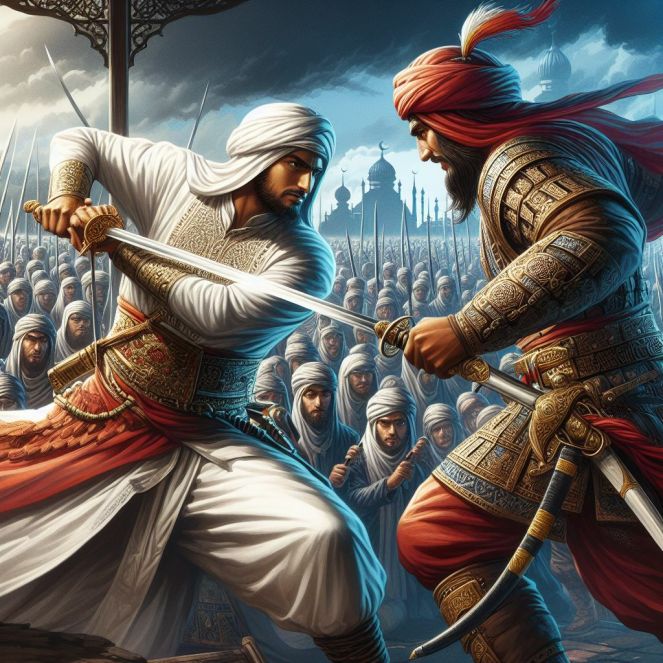
Muslims praised Allah for granting Ali victory. Their anxiety was replaced with glad tidings. On the other hand, the enemy’s arrogance began to fade away. Filled with anger, Yasser, Marhab’s brother, rode out to avenge him. Yasser was no lesser man than his brother. He had the same giant figure and similar sword skills. He challenged Muslims for a duel. His anger showed in his eyes. Ali was about to step out again, but Az-Zubair Ibn Al-‘Awwam stopped him. He walked out to face Yasser. Lady Safiyyah, the prophet’s aunt and Az-Zubair’s mother was a nurse in the army. When her son stepped out, she penetrated the lines and asked the prophet, “Will my son die today?” The prophet said, “No. Your son will defeat the man.” This prophecy came true and Az-Zubair defeated Yasser.

Ali was 29 years old and Az-Zubair was 33 on that day. They defeated the enemy’s most experienced swordsmen. They were both strong, but their strength wasn’t the reason they were victorious. Their faith was. The prophet said about Ali, “Whoever takes me as a companion and ally, Ali is also his companion and ally. Only a true believer loves Ali, and only a hypocrite hates him.” About Az-Zubair, the prophet said, “Every prophet had a younger obedient student who followed him everywhere. Mine is Az-Zubair.” The prophet, Ali, and Az-Zubair were cousins. The love and sincerity between them was, and still is, a beacon for all companions.
After the duels, Ali led the attack on the enemy’s fortress. He succeeded in bringing down the gates. The enemy escaped from underground tunnels to the next fortress. For weeks, Muslims continued to defeat one fortress after the other. The people left behind by the escaping forces were captivated. With the loss of their heroes and the Muslim army pervading their fortresses, the enemy declared its surrender. The defeated forces apologized to the prophet for their previous attitude. The prophet accepted their apology on the condition that they leave Madinah. These tribes didn’t belong to Madinah. Madinites received them decades earlier and took them as allies. Before and during the Trench battle, they housed traitors. By that, they became complicit in the crime. As such, Madinah became a forbidden city for them. They asked the prophet to let them rent the lands they cultivated in exchange for half the yield. That is the Islamic law for land rental. The prophet was lenient and accepted their demand. He warned them against repeating their crime. He then ordered his companions to drive them out if they betrayed this pact.
Among the women left behind by the defeated forces was a young lady called Safiyyah. Lady Safiyyah was the daughter of Huyai Ibn Akhtab. That man was the rabbi who planned the treason against Muslims. He was the mastermind behind the siege of Madinah. Lady Safiyyah witnessed her family’s conspiracies against the Prophet. But as promised in the Jewish scriptures, Allah protected his messenger and made him victorious. She saw all prophecies come true. Nonetheless, she lost many family members in this course. Her father was executed for treason. Her brother and husband died in that last battle. She reported her story as follows:
“None of my siblings or cousins was more loved by my father and uncle than me. When the prophet reached Madinah, my father and my uncle left early to meet him. They did not return until sunset. They looked unusually exhausted. I ran to receive them as I always did. None of them looked at me. They sat speaking together.
I heard my uncle ask my father, ‘Is it him?’
My father answered, ‘Yes, it’s him.’
My uncle asked again, ‘Are you sure? Did you recognize all his features and characters?’
My father replied, ‘Yes. By Allah I did.’
My uncle then asked, ‘What do you conceal for him in your heart?’
My father replied, ‘Hatred and enmity till the day I die.’ ”
The Jewish scriptures gave tidings of an unlettered prophet. Like Moses, he would receive a new law and lead his followers in battle against their persecutors. He would first receive revelations at Pharan Mountains. Later on, he would escape persecution and immigrate to the forest of Arabia. Jews awaited that prophet at Madinah and its surroundings. They knew that Madinah was the forest of Arabia from its dense palm trees. They had doubts about Pharan’s true location. None of them knew it was Makkah. All they knew was that Pharan was the place where Ishmael dwelt with his mother Hagar. Jewish rabbis wanted that prophet to be from among Israel’s offspring. When Prophet Muhammad arrived at Madinah, they recognized him. Yet, they refused to follow a prophet from another lineage. The prophecy in their scripture says, “A prophet from among your brethren.” Arabs and Israelites are cousins. Both are descendants of Abraham. They are brethren. Nonetheless, the rabbis led the laymen astray out of arrogance. They refused to believe that Allah would choose a prophet from among the Arabs. Know little ones that prophethood is a burden that only the most pious among all people can bear. It’s not a sort of honoring that some lineage owns the right to aside from all mankind. If there is one name I can give to that rabbinic notion, it is racism, Satan’s original sin.
When Lady Safiyyah told the prophet who she was, he proposed to free her and take her as his wife. She accepted his proposal. After her lawful mourning period, they got married. Becoming the Prophet’s wife helped her see with her own eyes the truth of Islam. This marriage helped her dive into a new community. A community of men and women who had submitted their hearts and minds to their Creator alone. Knowing the crimes of her family, that change was a blessing. After this marriage, some of the captivated Jews changed their attitude. They started to learn about Islam, and eventually, embraced it.
After their marriage, Prophet Muhammad noticed a scar on Lady Safiyyah’s cheek. He once asked her about it. She said, “A few days before you besieged our fortress at Khaybar, I had a dream. I saw the moon falling from the sky into my lap. When I informed my late husband about it, he hit me very hard injuring my face. He screamed, ‘Are you wishing for the king of Madinah to become your husband?’ That was when I knew I was going to be your wife.”
Lady Safiyyah’s family were Israelites from the offspring of Levi. Levites were known for their knowledge and priesthood. They were esteemed by all Jewish tribes. When Allah chose Prophet Muhammad from among their Ishmaelite brethren, they refused to follow him. They preferred their status and renounced reason. When the prophet passed away, Lady Safiyyah was still in her twenties. She spent the rest of her life worshipping her Lord as he taught her to do. Never did she leave Madinah or change her path. She passed away 38 years later. May Allah be pleased with her. May Allah reward her for her firm stand for what’s right. Amen.
Part VII
The previous events landed heavily on Makkans’ hearts. Muslims’ victories were astounding. Their numbers were doubling by the day. Al-Mundhir Ibn-Sawy, king of Bahrain embraced Islam. King Negus of Abyssinia embraced Islam. Many of their subjects also embraced it. Delegations traveled to Madinah to learn from the prophet. ‘Amr Ibn Al-‘Aas, the Makkan notable, was a friend of Negus. After Al-Hudaybeyah treaty, he hated to stay in Makkah. His belief that Muslims were a straying bunch that should be fought against was shaken. He decided to travel to Abyssinia and stay there for a while. He wished to stay away and observe the outcome of the events. There, King Negus advised him to forsake idolatry and embrace Islam. He said, “O Amr, I’ve known you a smart reasonable man. Muhammad is Allah’s messenger. He receives Allah’s archangel like Moses did before.” Amr asked, “O King, are you sure he is Allah’s messenger?” Negus said, “Yes Amr. I have no doubt. Allah will soon grant him victory against all opposition as he granted Moses victory against Pharaoh and his army.” On hearing this, Amr’s resistance collapsed. He said, “In this case, I want you to be my witness that I have believed and embraced Islam.”
After this, Amr decided to travel to Madinah and join the Muslims. On his way, he met his old friend, Khaled Ibn Al-Waleed. He asked him, “Where to Khaled?” Khaled said, “The evidence couldn’t be clearer, Amr. The man is a prophet. I’m going to join him.” Amr said in agreement, “Me too. I have come to embrace Islam.” So Amr and Khaled continued the trip together. When they arrived, they went to the prophet and declared their faith. On that day, two of the smartest Arabian army leaders embraced Islam. This signified that Makkah was on the verge of a big change.
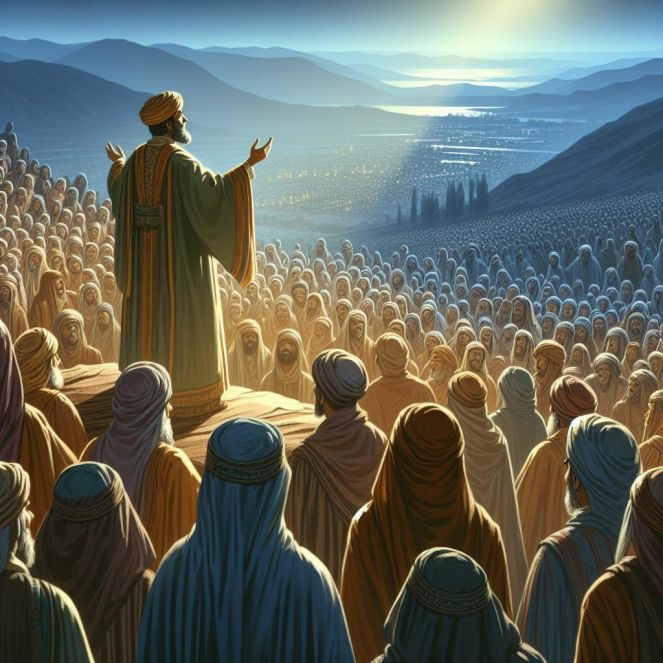
Seeing some of their notables embrace Islam drove Makkans crazy. As such, they violated Al-Hudaybeyah treaty. A tribe named Banu-Bakr from among the Makkan allies attacked and killed a dozen men and women from a tribe named Khuza‘ah. Khuza‘ah was among the allies of Muslims. These two tribes had an old bloody struggle. They were among the parties that agreed on Al-Hudaybeyah treaty. The people of Khuza‘ah were idolaters. Yet, they trusted Prophet Muhammad to respect the treaty more than the Makkans. When their people were killed inside Makkah, they resorted to the prophet seeking justice. On learning that Khuza‘ah sought Prophet Muhammad’s rescue, Makkans were troubled. They realized the dangerous consequences of their crime. Abu Sufyan, Makkah’s leader, traveled to Madinah. He asked to meet the prophet and apologize for what had happened. He was hoping Muslims would accept to consider the treaty valid. Muslims refused his apology. In the next month, Prophet Muhammad rode out towards Makkah. He was leading 10,000 Muslims. It was time to retrieve Makkah from the idolaters. The sanctity of Allah’s sacred mosque must be preserved. Makkans didn’t show much resistance. The prophet entered Makkah without even taking his sword out of its scabbard. On entering, he showed great modesty. He ordered his companions to be lenient. They assured Makkans that no harm was going to befall them. When the prophet reached the mosque, he broke the idols around the building. His companions did the same. The prophet prayed inside the mosque and then called upon all people to attend. He gave a brief speech glorifying Allah. He stipulated that all people are equal. Hence, the custom of taking pride in ancestry should be forsaken. He stipulated that all people are Adam’s progeny and Adam was created from earth. He recited the verse that says, “O mankind, We have created you from males and females. We dispersed you into nations and tribes so that you may know one another. The noblest among you in Allah’s sight are the most pious. Allah is All-Knowing, All-Aware.” After that, the prophet asked the Makkan idolaters, “O people of Quraysh, what is it that you think I’m going to do to you?”
They said, “You have always been a noble brother, descending from a noble ancestry.”
The prophet then said, “I can’t but say what Joseph said to his brothers before, ‘Let there be no reproach against you today.’ Go your way, you’re all free.”
After this, the Islamic call for prayers was raised inside the sacred mosque. Muslims worshipped Allah in Makkah without any fear for the first time. They had spent days traveling from Madinah to Makkah under the burning sun. Yet, they didn’t sleep or rest. They spent the night inside the sanctum of the mosque. They prayed and praised Allah for granting them this huge victory. They asked Allah to accept their good deeds and pardon their sins. When Hind Bint-‘Utbah, Abu Sufyan’s wife, saw this. She said to her husband, “I want to pay homage to Muhammad.”
Abu Sufyan said in shock, “Do you forsake your idols?”
She said in awe, “I swear I never saw any god being worshipped properly in this mosque before this day. These men stayed all night praying, bowing, and prostrating.”

Hind was a bitter enemy of Muslims. Her father, brother, and uncle were the ones defeated in Badr duels. When she learned that Hamza was the one who defeated her father, she took a vengeance oath. She paid one of her strong slaves a large amount of gold and promised to set him free if he killed Hamza. The man succeeded in killing Hamza during Uhud Battle. After that, Hind joined the idolaters’ army as a nurse. She always instigated the idolaters against Muslims. No woman hated the prophet and Muslims more than her. Yet, that night, something changed within her. That’s what happens when goodness touches one’s heart and he begins to believe.
On that day, Abu-Sufyan, his wife Hind, ‘Ekremah Ibn Amr, and other notables embraced Islam. The bitter enemies of the past became companions. Since that day, the Islamic call for prayers has been raised 5 times aday in Makkah. Every time, the Muadhin declares that there is no God but Allah, and Muhammad is His messenger. Muslims have since traveled to seclude themselves for worship in the valley of Bakkah without fear. What a magnificent triumph. What a magnificent strife.
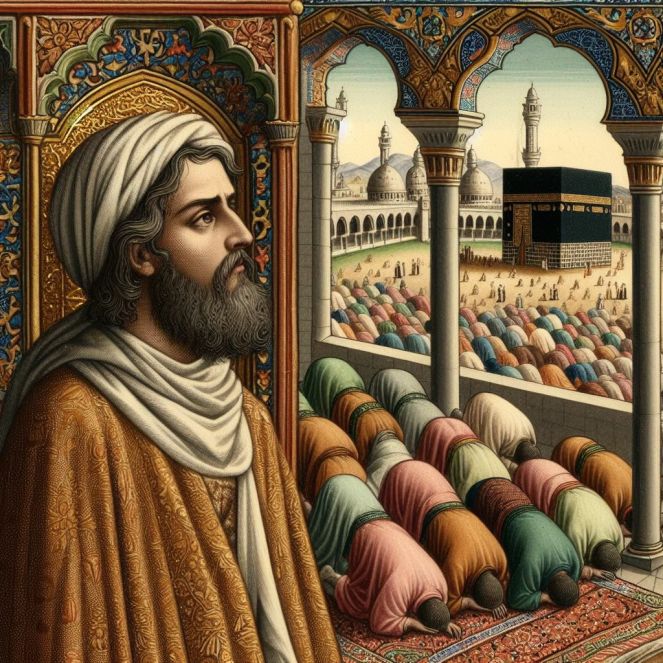
Muslims restored Makkah’s original status as the capital of monotheism in Arabia. Idolatry was declared unlawful. Makkans started this false habit centuries before, and they were the ones who ended it. The prophet sent companies from the companions to demolish the big idols in Arabia. Among these companies was one led by Ali. The prophet sent him to a tribe called Tayye’. His duty was to demolish a huge rocky idol there called Fels. It was one of the nine main idols that Arabs worshipped. When Ali arrived, he was met with weak resistance. Most residents had abandoned the city leaving behind those who were weak. Ali demolished the idol and took the weak ones back to Madinah. The prophet ordered the women and children to be placed in a house next to the mosque. Among them was a noblewoman called Savanah. Savanah’s brother ‘Odai, was the leader of Tayye’ tribe. Their family had embraced Christianity before the advent of Islam. On her first day in Madinah, she sat in front of the house. When the prophet passed by, she got up and said, “O prophet, my father died long ago, and my brother fled leaving me behind. Set me free may Allah reward you.”
The prophet asked her, “Who is your brother?”
She answered, “ ‘Odai Ibn Hatem.”
The prophet said, “The one who ran away from Allah and His messenger!” and then he left.
The next day, he passed by the house again. Savanah asked him to set her free like she did the day before. His response was the same.
On the third day, when he passed by her, she despaired that he would let her go. A man walking behind him signaled her to get up and speak. She got up and repeated her demand to be set free. The prophet said, “Don’t be hasty, I have already done that. Wait until you find some of your people whom you can trust. If they can lead you to your folks, you’re free to go.”
Savanah thanked the prophet. After he left, she asked the people about the man who signaled her to speak. They said, “That’s Ali Ibn Abi-Taleb, the prophet’s cousin.”
Savanah lived in that house with the women from her tribe for a while. Later on, a caravan from Sham arrived at Madinah. Savanah recognized some of her tribesmen among the traders. When the prophet passed by her house, she said, “O prophet, some of my people whom I trust are here.”
The Prophet ordered her new clothes. The companions prepared for her a camel and loaded it with provisions and gifts. The prophet gave her the expenses she might need on the trip, and then he let her go.
The people she traveled with took her to her brother. When she arrived and saw him, she shouted, “You vile tyrant. You fled with your wife and children and left me behind. You left your own blood behind.”
‘Odai apologized saying, “O sister, what you said is all true. I have no excuse.”
She stayed with ‘Odai’s family for some time. One day, he asked her, “What do you think of this man?”
Savanah was a smart firm woman. She said, “You should go to him quickly. If he is truly a prophet, then those who follow him earlier are the best. If he were a king, then he could help you retrieve your status in Yemen.”
‘Odai said, “That’s a wise opinion.”
‘Odai told his companions what happened later on. He said, “I traveled to Madinah seeking to meet the prophet. When I arrived, I found him praying at the mosque. I entered and greeted him. The prophet looked at me and said, “Who is the traveler?”
I answered, “I’m ‘Odai Ibn Hatem Al-Ta’y.”
The prophet got up greeted me and invited me to his house. On the way, an old weak woman called him by his name. He stopped and stood listening to her demands for a long time. I said to myself, ‘This is not a king.’ When she finished, we went along. When we entered his house, he grabbed a pillow and handed it to me saying, ‘Sit on this.’
Noticing it was the only one around, I said, ‘No, you sit on it.’
But he insisted saying, ‘No, you should sit on it,’ and he sat on the ground.
Seeing this, I said to myself, ‘These could never be the conditions of a king.’
He then said, ‘O ‘Odai, embrace Islam and free yourself from all worries.’
I said, ‘I already have a religion.’
He said, ‘I know your religion better than you do.’
I said in astonishment, ‘You know my religion better than I do!’
He said, ‘Yes. Aren’t you the leader of your people?’
I said, ‘Yes.’
He said, ‘Aren’t you a Christian?’
I said, ‘Yes.’
He said, ‘Didn’t you keep quarter the booty your people gained from their battles to yourself?’
I said, ‘Yes.’
He then said, ‘Isn’t this forbidden in your religion?’
The prophet’s questions were surprising. These were my personal affairs. I wondered how he knew all that.
The prophet continued, ‘You may hate Islam because those who embrace it are poor. You may hate it because most people are fighting against us and we are outnumbered and surrounded by enemies. Or maybe what’s holding you from embracing Islam is that you see kingship and power with others. Yet, I swear that money is about to flood Muslims and no one will ask for it. I swear you’re about to hear of women traveling from Iraq to the sacred mosque without any fear. And I swear that you are about to hear of the white castles at Babel having their doors opened for Muslims.’ ”
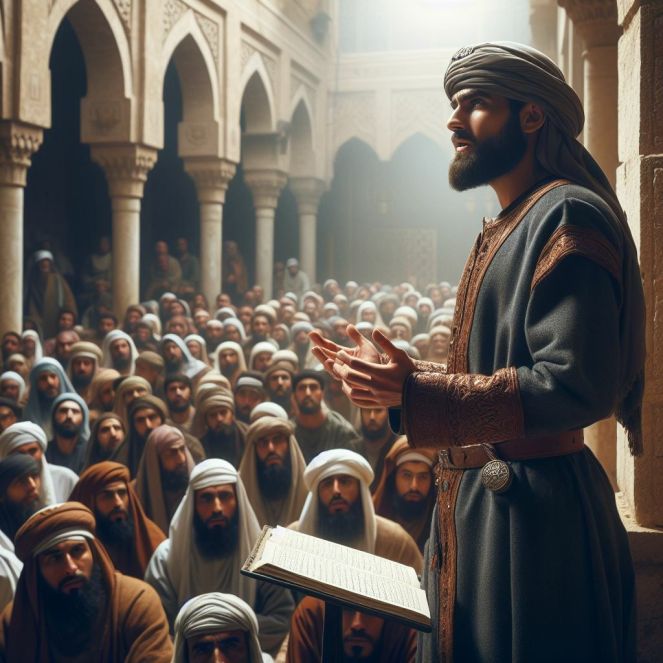
‘Odai continued reporting his story to his companions. He said, “After some thinking, I embraced Islam. Two of the events the prophet foretold me have already happened. There is still one remaining. I know by heart that it will happen, for I was among those who freed Iraq. I saw the white castles of Babel having their doors open for us. I have seen women travel from Iraq to perform pilgrimage at Makkah without any fear. I can swear that there will be plenty of money that no one will take it for the prophet told me so.”
‘Odai embraced Islam 2 years before the prophet passed away. He died 57 years later, may Allah be pleased with him. 30 years after his death, the third sign was fulfilled in the reign of Omar Ibn Abd El-Aziz. During his caliphate, money flooded the Muslims’ treasury. Omar fulfilled the debts on behalf of all those indebted. He took care of the marriage expenses of all the youths. He made regular salaries for every poor person unable to work. He dropped the defense taxes. He sent workers to all barren roads to make sure that all people were living in good conditions. Finally, whenever the treasury keepers patrolled the streets looking for beggars, they didn’t find any. They returned the money to the treasury.
Enough for one night sweethearts. Time to sleep now. May goodness fill your minds and souls. May our heroes’ tales guide you through life. May you restore their honorable days. Amen.
Part VIII
One year before the prophet passed away, the Romans prepared a huge army to invade Hejaz. They conspired with the hypocrites inside Madinah. Their plan was to besiege Muslims inside their cities until they surrender. The hypocrites promised to give them aid and provisions during the siege. Muslims had to ride out and meet the Romans at the borders. That was the only way to protect their families. It was the only way to defend the holy lands from destruction. These were hard times. It was summer. Food and water were scarce. There wasn’t enough money to buy provisions and rides. The trip to the borders alone was a suicide mission. Preparing an army that could defend Arabia against the Romans was almost impossible. The prophet asked the rich companions to donate all the money they could to prepare an army. On that day, ‘Uthman Ibn Affan donated 1000 golden dinars. He also prepared 300 camels loaded with provisions. Abu-Bakr donated all his wealth. The prophet asked him, “What did you leave for your children.” He answered, “Allah and his messenger.” Omar donated half his wealth, and so did other companions. Those who were poor felt jealous. They started donating whatever they could. One man brought a bushel of dates. Another brought half a bushel. The poorest man said, “I have nothing to give. Yet, I forgive any Muslim who has offended me, hit me, or detracted any of my rights.” The prophet said to him, “I give you glad tidings of a great reward in the hereafter.”
In this spirit of sacrifice, Muslims prepared their army. They all rode out to ward off the Roman invasion. 30,000 was their number. The night before, the prophet summoned Ali. He instated him as his deputy on Madinah. Ali said, “O prophet, do you leave me with the women and children?” The prophet comforted him saying, “Like Moses entrusted Aaron, I entrust you. The only difference is that there will be no prophet after me.” That was the only time the prophet ordered Ali to stand down. Ali was 31 at that time. He was among the most knowledgeable companions. His bravery was beyond question. His love for Allah and the prophet was confirmed. Allah and the prophet loved him. If the prophet and the elder companions were to lose the battle against the Romans, Ali would be the best one to rebuild for the future and lead the new generation to victory. That was why the prophet ordered him to stay behind.
Anyway, the prophet’s army and the Romans never met in battle. When Muslims rode out, Heraclius realized that his plan had failed. His army won’t be able to besiege Muslims. The hypocrites won’t be able to help the invading forces anymore. The open land would enable Muslims to drag the Romans deep into the Arabian Desert. Arabs were more knowledgeable of the desert roads. They knew the wells’ locations and the mountainous routes. Hence, if the war started, the Romans would be stranded far from provisions. The Roman army could have perished. Arabs could then control Sham without any difficulty. As such, Heraclius called his forces to quarters. This landed heavily on the remaining enemies inside Arabia. Abdullah Ibn-Salool, the leader of the hypocrites died out of spite. The remaining Arabs embraced Islam, and idolatry came to an end in Arabia. Prophet Muhammad was successful in his mission.
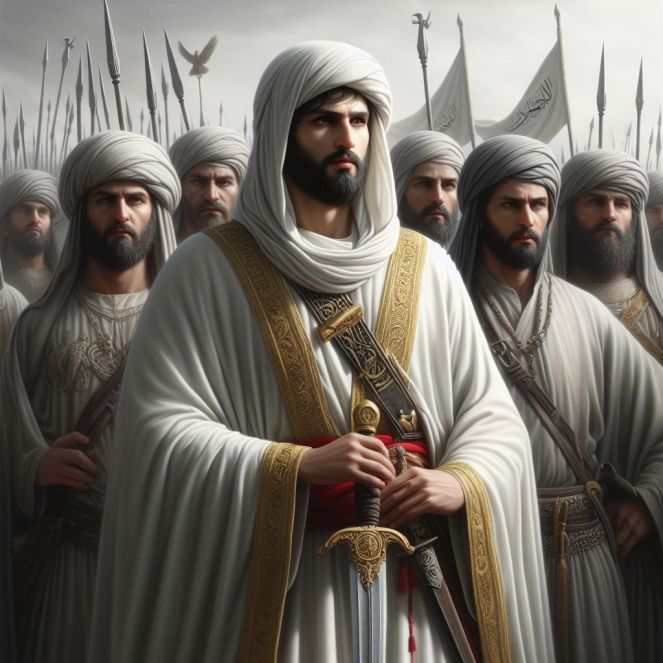
Not long after that, the prophet passed away. On that day, Ali fell to the ground unable to move a limb. The shock was not easy for any of the prophet’s companions. They all loved him more than their own fathers, even more than themselves. Nonetheless, they carried forth his mission. They defended Arabia and secured its borders. They freed the regions’ countries from the Roman and Persian hegemony. They granted the region’s people the freedom to choose their own faith. Religious oppression ended. The region’s people were able to learn about Islam freely. Thousands embraced it and learned at the hands of the companions.
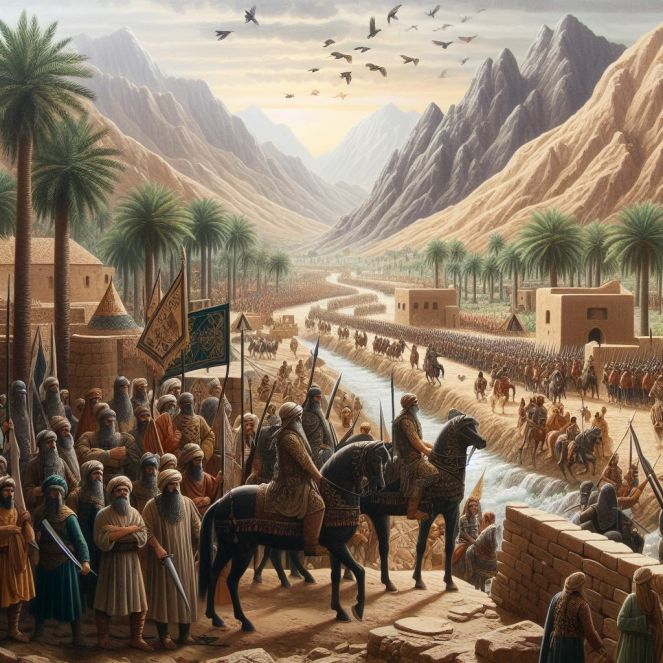
During Abu-Bakr’s reign, Ali continued to defend Muslims. He was the leader of Madinah’s brigade. He defeated the apostate forces that attacked Madinah. He was among Abu-Bakr’s councilors. After Abu-Bakr passed away, Ali was among Omar’s closest councilors. Omar resolved to him in hard judicial cases. He trusted Ali’s opinions and applied his verdicts. When Omar was attacked, he entrusted the caliphate to 6 men. He ordered them to choose one from among themselves to lead Muslims. Ali was one of these 6 companions. He was 44 at the time. On his deathbed, Omar said to his son Abdullah, “I wish they would choose Ali to lead them. If they do, he would not let them go astray.” Abdullah asked, “Why don’t you instate him?” Omar said, “If I make the choice for them, I will be responsible for what happens next. I don’t wish to carry the caliphate’s burden to my tomb.”
The votes came in favor of ‘Uthman Ibn Affan, the prophet’s son-in-law. He was much older than Ali and an easygoing pious man. Many people saw that he would be the best choice after Omar. Omar was a strict ruler. He allowed no space for the slightest mistake. Ali had a similar personality. He too would have been a strict ruler. As such, many people chose ‘Uthman to allow for some change and rest. ‘Uthman was 69 at that time. People might have thought he would soon be succeeded by Ali anyway. This thought proved wrong. ‘Uthman remained the caliph for over 12 years. He was 82 when some tumultuous events occurred. Because of his old age, ‘Uthman was unable to supervise over his deputies. People from Egypt and Iraq traveled to Madinah to complain to him. They wanted him to replace his deputies. Ali advised him to replace them. Others gave him the opposite advice. Things were getting weary for the old man. No one seemed to understand that in old age huge responsibilities are impossible to carry. Some of ‘Uthman’s councilors were using his age against him. Ali tried to protect him with all his strength from their schemes. ‘Uthman did what he could to meet the people’s demands. Yet, the secret schemes against him were stronger than his ability to act. Treason’s poison was spreading.
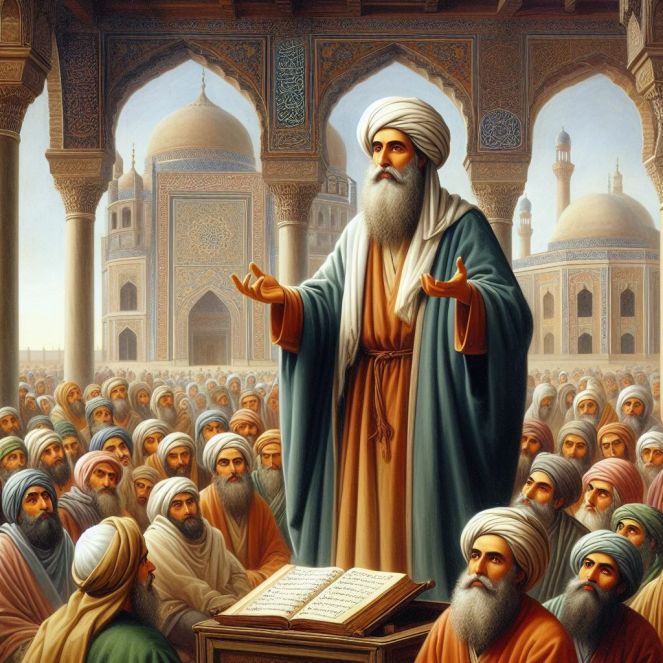
Thousands of rebels besieged Madinah. They demanded that ‘Uthman step down from the caliphate. They attacked him inside the mosque during the Friday sermon. ‘Uthman’s head received a nasty strike and he fainted. Ali and the elders fought the attackers back and carried ‘Uthman to his house. They decided to protect him at any cost. ‘Uthman refused and ordered them to go back home. He said, “I won’t allow Muslims to fight one another. I want to meet my lord having no blood on my hands.” To comfort him, the older companions followed his orders. Yet, they ordered their sons to surround the house and protect ‘Uthman at any cost. Among those who stood on guard were Al-Hassan and Al-Hussain, Ali’s sons and the prophet’s grandsons. With them stood Abdullah Ibn Az-Zubair Ibn Al-Awwam, their cousin. They guarded the door of the house. When ‘Uthman found out that his companions left their sons to guard him, he ordered them too to go home. Al-Hassan was the last to leave. When he returned home, Ali asked him angrily, “Why did you disobey my order?” Al-Hassan answered, “We would never disobey you, but the caliph ordered us to leave.” Ali shouted, “Go back to his house at once. Don’t leave unless I tell you to do so.” Al-Hassan, Al-Hussain, and Abdullah returned to guard ‘Uthman’s house, and so did the Madinite youths. Though an old man at the time, Abdullah Ibn Arm Ibn Al-‘As was among the defenders. Abdullah Ibn Omar was among them, too. Ali tried his best to calm things down and protect ‘Uthman. He spoke with the rebels and praised ‘Uthman’s faithfulness. He enumerated ‘Uthman’s great stands to defend Muslims. Nonetheless, these rebels were so determined to remove ‘Uthman.
The siege continued for weeks. ‘Uthman and his wife were deprived of food and water. When Lady Safiyyah learned about this, she prepared some provisions. On her way to ‘Uthamn’s house, one of the rebels stopped her. His name was Al-Ashtar Al-Nakh‘ey. Though one of the brave swordsmen who fought against the Romans before, he joined the rebels. Al-Ashtar is one of the most controversial men in Arab history. Some historians praise his courage and faith. Others called him a villain. Al-Ashtar asked Lady Safiyyah, “Where to Mother?” She said, “I seek to visit the old man you besiege.” On hearing this, Al-Ashtar hit Lady Safiyyah’s mule so hard. The mule made a violent move throwing Lady Safiyyah off its back. She got up and went back home. That was a sign that things were getting nastier and there wasn’t going to be any solution for the situation.
When news of Madinah’s siege reached Mu‘aweyah Ibn Abi-Sufyan, ‘Uthman’s cousin and deputy on Sham, he prepared an army to fight the rebels. So did ‘Uthman’s deputies in Iraq. Spies sent warnings of this development to the rebel leaders. A few days later, ‘Uthman had a dream. He saw the prophet, Abu-Bakr and Omar eating together. He greeted them and was about to join them, but the prophet stopped him. He told ‘Uthman, “Not yet, you will feast with us tomorrow.” ‘Uthman woke up knowing that he was going to die that day. He ordered his wife to keep her veil on. He opened his copy of the Qur’an and spent all day reading. The rebels had taken the decision to assassinate ‘Uthman. They closed in on the house. On spotting them, the defenders pulled out their swords and a fierce battle began. Abdullah Ibn Az-Zubair led the defenders. They fought bravely and succeeded in preventing the rebels from entering the house. This continued for hours. Abdullah received many wounds. Al-Hassan was wounded, too.
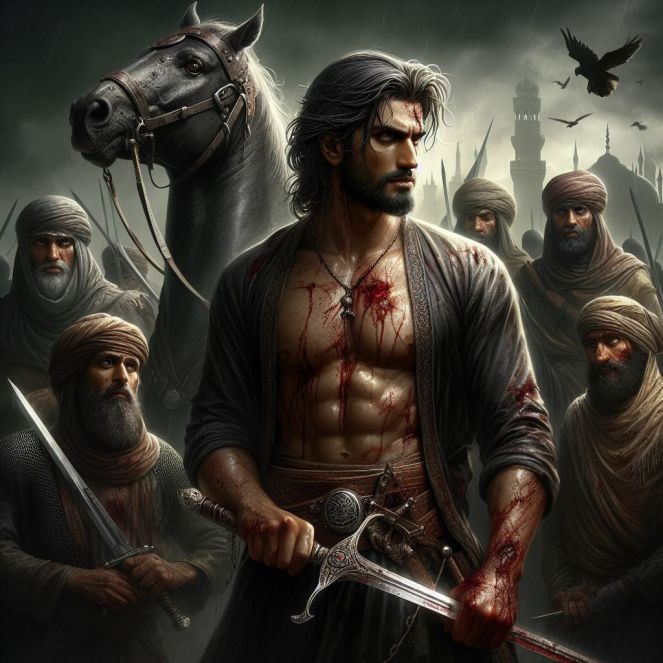
Losing hope to enter through the door, the rebels climbed the back walls and jumped into the house. One of them stabbed ‘Uthman in the chest. ‘Uthman’s wife, Lady Na’elah, grabbed the sword’s blade and tried to stop the assassin. The evil man pulled the sword hard tearing away some of her fingers. ‘Uthman fell on his open copy of the Qur’an and died at once.
Al-Hassan and Abdullah returned to Ali after the battle was over. When they informed him that ‘Uthman was killed, he was enraged. He punched Al-Hassan’s chest shouting, “How dare you allow this to happen under your noses?” Abdullah was bleeding from the wounds he received. He said, “O Uncle, they didn’t enter the house from the side we protected. They climbed the back walls and entered through the roof. No matter how hard we fought, the caliph was going to die tonight.”
After these tragic events, Madinites chose Ali to lead them. He tried to refuse but they insisted. The problem was that the assassins and rebels chose Ali, too. They paid him homage and instated themselves as his guards and councilors. The elder companions didn’t accept this. They demanded the application of the law. Killers should be executed, not instated as guards or councilors. They tried to convince Ali to apply the law without delay. Yet, Ali was convinced that applying the law at that time would cause bigger problems. These assassins had thousands of followers. Executing them could lead to a civil war. Ali’s plan was to postpone their trial until the region’s countries united under his command. That would force the rebels’ followers to accept the majority’s consensus. A good plan only if all companions had knowledge of it. But how could Ali disclose his plan to the companions while the rebels surrounded them?
Seeing the rebels and the assassins surrounding Ali enraged the companions. Az-Zubair Ibn Al-Awwam and Talhah Ibn ‘Obayd offered Ali to bring him an army from Basra and Kufa. Ali ordered them to stand down without giving any explanation. Sometime after that, both companions tried to visit Ali and further discuss the matter with him. The rebels who stood at guard prevented them from entering on Ali. The two companions thought that Ali was besieged like ‘Uthman before. They decided to act without delay. They told the rebels that they wished to perform pilgrimage and wanted to ask for the caliph’s permission. The rebels permitted them in. When they asked Ali for permission to travel to Makkah and perform pilgrimage, he accepted. That was the only way they could leave without drawing the rebels’ attention to their plan. Later on, some of the companions followed them to Makkah. There, they convened and reached a decision. They decided to travel to Iraq and prepare an army to fight the rebels. Lady ‘A’ishah agreed with their plan. They asked her to join their congregation. They wanted her to help them unite the people in demanding the application of the law. Convinced of the matter’s necessity, she accepted.
Meanwhile, Ali tried to replace Mu‘aweyah at Sham, but the latter refused to step down. He sent Ali a message telling him that he had prepared an army of 70,000 men ready to fight the rebels and avenge ‘Uthman if he won’t. Things were deteriorating by the day. Seeing that the Muslims’ unity was about to crumble, Ali decided to stand firm against all parties. He was the Caliph. His obedience was an obligation to them all. If whomever did whatever he pleases, Muslims would never unite again. He did what he was best at. He rode out to face all these armies and drive them back. Al-Hassan tried to talk him out of this, but Ali insisted. Many of the companions obeyed his command and joined his army.
At that point, Muslims split into three forces:
- Ali’s army rode out from Madinah. Among its ranks were the rebels.
- Az-Zubair, Talhah, and Lady ‘A’ishah’s army in Iraq.
- Mu‘aweyah’s army at Sham.
Ali knew he could reason with the second party. He headed to Iraq first. There, he sent companion Al-Qaqa‘a Ibn Amr to Az-Zubair, Talhah, and Lady ‘A’ishah.
Al-Qaqa‘a said, “O mother, what brought you to this country?”
Lady ‘A’ishah said, “I wish to unite all people and apply the law.”
Al-Qaqa‘a asked Az-Zubair, Talhah, “What about you? What brought you to this country?”
They said, “For the same reason.”
Al-Qaqa‘a asked, “Can you explain to me how will you unite the people and apply the law?”
They said, “’Uthman’s assassins must be executed. If they get away with their crime, that would be an abolishment of the Qur’an.”
Al-Qaqa‘a said, “You have killed tens of those criminals. Over 12000 of their countrymen have risen to avenge them. Now, you have two options, you can either fight this new army, or forsake the application of the law. If you choose the first option, you will divide the people more and ignite a civil war. If you choose the second option, you will be forsaking the Qur’an. Can’t you see, you have fallen into the trap you wish to get out of?”
Lady ‘A’ishah said, “What do you advise us to do?”
Al-Qaqa‘a said, “The rebels’ trial must be postponed until the people unite under Ali’s command. If you swear allegiance to Ali, this would strengthen his ranks. With time, he could avenge ‘Uthman and apply the law. Join us and set a good example for others like you have always done before.”
They liked what Qaqa‘a said. They replied, “Well said, brother. Return to Ali. If he agrees with what you said, then we have nothing to quarrel about.”
Lady ‘A’ishah said, “Inform Ali that I only came here to help unite the people.”
Al-Qaqa‘a returned to Ali with glad tidings of unity. He informed him of what his companions and Lady ‘A’ishah said. Ali was thrilled. He called upon his men to gather and gave a short sermon. He reminded them of the pre-Islamic era and its injustices. He stipulated that Islam fights division and encourages unity. He then said, “I will march tomorrow with my men. Let those who have contributed to the assassination of ‘Uthman leave our ranks.”
Az-Zubair and Talhah marched out to join Ali. The two armies camped near the governor’s house at Basra. They exchanged messages and agreed to declare their reconciliation at dawn. After this, they can march towards Sham and force Mu‘aweyah to join them. That would unite all Muslims and put an end to the rebel movement. Faithful Muslims went to sleep that night with hearts filled with joy. Conversely, the rebels saw their demise approaching. They convened and came up with a devilish plan. They divided themselves into two teams. The first infiltrated Zubair and Talhah’s camp. Before dawn, they attacked the men in their sleep and killed tens of them. The men woke up to the screams. They thought Ali had betrayed them. The second rebel team infiltrated Ali’s camp and shouted, “Treason. The people of Basra have betrayed us.” In a glance, both armies were up and crossing swords. There was no turning back from this. May traitors dwell forever and ever in hell.
Ali tried to stop this atrocity but it was impossible. The rebels killed many men on both sides and ignited the situation. During the battle, Companion ‘Ammar Ibn Yasser stabbed Az-Zubair with his spear. It was a flesh wound, nothing fatal. Zubair asked him in disbelief, “Do you want to kill me ‘Ammar?” ‘Ammar said, “No. I only wish you would surrender.” Zubair turned away from him. The battle was fierce; yet, it was the weirdest. The fighters on that day were keen not to kill one another. Each army tried to force the other to surrender with the least casualties. Nonetheless, many men died. Ali stood amidst the battlefield in disbelief. He screamed, “I wish I had died years before this day.” Al-Hassan said, “O father, I advised you not to leave Madinah but you didn’t listen.” Ali said, “O son, I never imagined this could happen.”
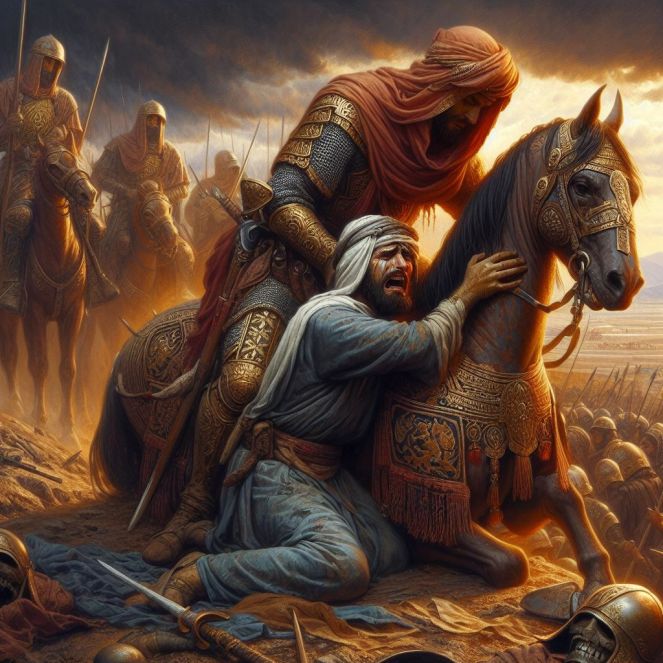
Truthful was Prophet Muhammad when he said, “Discord and conflict are like faint fire under ashes. May those who ignite it be cursed.” Know little ones that none of the companions wished for all this to happen. These tumultuous events were forced upon them. None of them acted with any intention other than making victorious what’s right. Yet, none of them had previous knowledge of the future and what it held. Every one of them acted believing that what he was doing was the right thing to do. That is why the prophet said, “One day, two parties of my nation will fight one another. Both will have a righteous cause.” May Allah pardon their flaws and be pleased with them all, Amen.
Part IX
The battle was over, but at what cost? Ali walked amidst the field staring at the dead in shock. Talhah was among those killed. On spotting him, Ali collapsed next to his corpse. He removed the mud from his friend’s face. “How many times had this body shielded the prophet?” Ali said. Talhah shielded the prophet with his body during Uhud Battle. On that day, the companions nicknamed him “The Good Bearer.” Prophet Muhammad said about him, “Whoever likes to look at a martyr walking on earth, let him look at Talhah Ibn ‘Obayd.” Talhah was killed trying to stop the fight. Ali hugged the body and cried until his companions pulled him away. He ordered them to give all the dead an honorable burial.
Lady ‘A’ishah was safe and sound. Ali ordered some of the female nurses to attend to her needs. She sent him a verbal message asking him to return to Madinah. He prepared a special squad of guards to escort her safely back to Madinah. Traveling amidst strange men for weeks angered her. On reaching Madinah, the guards removed their face covers. She was shocked to realize they were all women. Ali chose her guards from among the women trained in sword duels. Lady ‘A’ishah invoked Allah to bless Ali and protect him. She regretted leaving Madinah till the end of her life. She spent her remaining years educating Muslim children about their religion. Her students form a cornerstone in Islamic literature. May Allah pardon her and be pleased with her, Amen.
As for Az-Zubair, Ali faced him during the battle. Ali said, “Have you forgotten what the prophet told you years ago.” Zubair asked, “What is that?” Ali said, “Do you remember the prophet asking you once whether you loved me? You said, ‘How can I not love him, O prophet! He is my cousin and lifetime friend.’ The prophet then told you, ‘You will fight him one day based on false doubts.’ ” Zubair seemed stunned. He said, “I never imagined this could happen. I forgot all about it.” He threw down his sword and rode away from the battlefield. One of the rebels saw Zubair and followed him. Zubair rode till sunset. On reaching a barren valley, he mounted down to spend the night. He performed ablution and started praying. The evil rebel waited until Zubair prostrated, and then fatally stabbed him. He took Zubair’s body back to Ali’s camp. He asked a guard to inform Ali that Zubair was dead. When the guard entered Ali’s tent and delivered the news, Ali got angry. He said, “Give the killer tidings of the hellfire. I heard the prophet say, ‘Give tidings of the hellfire to Zubair’s killer.’ ”
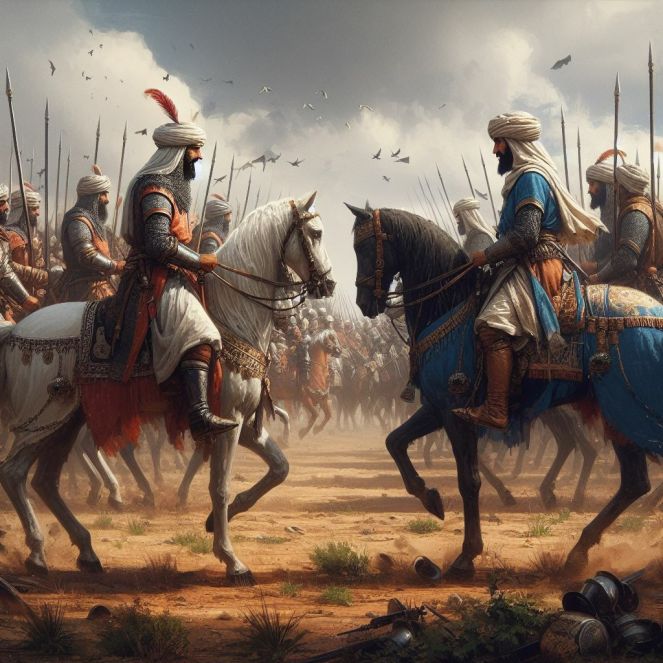
Later on, Muslims called this battle, “The camel battle.” That’s because the men gathered around Lady ‘A’ishah’s camel to protect her from the rebels. When news of the incident reached Mu‘aweyah, his insistence on executing the rebels soared. There was no way to convince him through reason that the rebels’ trial must be postponed. This led to the battle of Seffeen. Ali marched with 130,000 men towards Sham. Mu‘aweyah met him with 135,000 men. Both armies were joined by some of Prophet Muhammad’s companions. Both armies acted based on their convictions. The truth, kids, is that both teams had good arguments. The best we can do is not to judge any of them. These were tumultuous times. Traitors were present on both sides. Yet, there are important lessons that we must learn from what happened.
- Unity is the greatest shield for our region’s people.
- No matter the odds, believers must always keep faith in their brethren’s true hearts.
- Treason is destructive. Traitors must be executed.
- Leaders must never make decisions their people cannot understand.
- One must defend what he believes is right, even if against his family and friends.
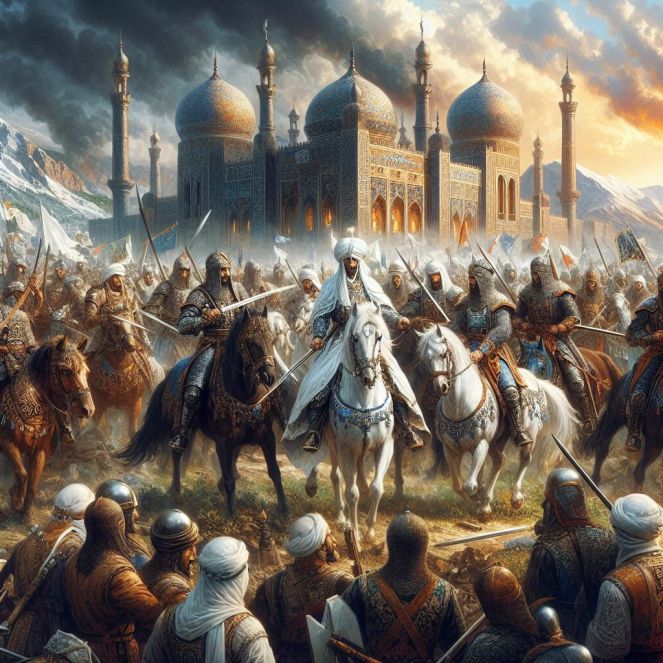
Seffeen battle continued for 9 days —dawn to sunset. Thousands died. The men on both sides hated what was happening. The only ones winning from all this were the rebels. On the tenth day, a call for peaceful arbitration was declared. Ali and Mu‘aweyah accepted it. They withdrew their armies and each assigned an arbiter on his behalf. The arbiters met and issued a declaration. Ali’s arbiter wrote in its beginning, “From Ali Ibn Abi-Taleb, The Prince of Believers.” Mu‘aweyah’s arbiter refused to give Ali this title. He said, “We haven’t sworn allegiance to him yet. Erase the title.” The arbiter informed Ali of this demand. Ali remembered the prophet’s words to him at Hudaybeyah. He said, “Erase the words.”
The declaration stipulated that this conflict must be resolved peacefully. Mu‘aweyah and Ali set free the captives in their custody. They withdrew their armies back to quarters. When Ali did this, part of his men broke his army’s unity. 12,000 men insisted on resuming the fight and threatened to leave if Ali refused. These men were among the most dedicated worshipers. They fasted often and prayed a lot. They read the Qur’an but never gave its verses any thought. They considered interpretative judgments unlawful. “The only lawful judgment is that which Allah gave in the Qur’an,” was their motto. A truthful sentence they wrongfully used. When Ali refused their demand, they called him an apostate. He tried to reason with them but they insisted and forsook his army. Among them were many of the rebel leaders. That was a blessing.
Know children that Allah sent us his message to teach us what’s lawful and what’s unlawful. During our lives, it is we who study the cases and apply Allah’s laws. It is we who issue the verdicts, not Allah or the Qur’an. Allah will judge all people in the hereafter. As for this life, it’s us who bear this responsibility. That is why Allah says in the Qur’an, “If you judge between the people, judge justly.” Allah is talking to us. He is ordering ‘us’ to judge justly. If those men used their reason, they would have realized their idiocy. Ali was raised and educated by the prophet. He was the first boy to embrace Islam. He witnessed all events with the prophet. How many times did he contribute to saving Muslims from imminent danger? The prophet said about him, “The most just in judgment is Ali.” Hence, why would any man lose faith in his leadership and disobey him at that critical moment? The only answer I can fathom is “idiocy.” Every illness has a cure except idiocy. Beware of people who don’t use their reason, children. They are the most destructive. Never give in to their demands or opinions.
The 12,000 men camped near a river called Nahrawan. They chose a leader from among themselves and raided some villages. Ali was losing patience with these criminals. His cousin, Abdullah Ibn Abbas, offered to go and try to convince them of their wrong stance. Ali refused at first. He told Abdullah that these criminals could kill him. Yet, Abdullah insisted and told Ali not to worry. Abdullah dressed up and traveled to their location alone. When he entered their camp, some of them said, “Welcome Ibn Abbas. What is that extravagant garment you’re wearing?”
Abdullah recited the verse, “Who dares forbid the adornments and lawful provisions Allah granted His servants?” Then he said, “I swear I saw the prophet wearing a more beautiful garment than this.”
They said, “What brought you to our camp?”
Abdullah said, “I’ve come from the camp of Prophet Muhammad’s companions. Among them are the Makkans and the Madinites. They are led by Ali Ibn Abi Taleb, the prophet’s cousin, son-in-law, and one of the earliest Muslims. That’s the camp of those upon whom the Qur’an descended. They are the most knowledgeable of its meanings and interpretations. There isn’t one from among them between your ranks here. I’ve come to listen to what you have to say, and to deliver to you what they say.”
Some of them refused to talk to Abdullah and insulted him. Others said, “We should listen to what he has to say. If he convinces us, we should follow his opinion.”
Abdullah stayed with those men for a few days. He met them in groups and discussed different matters with them. In most issues, he was able to convince them of his opinion. Finally, there remained three major issues. They said, “Ali accepted to erase his title as the prince of believers. If he’s not our prince, why should we obey him?”
Abdullah explained, “On writing Al-Hudaybeyah Treaty, Suhayl Ibn Amr demanded the removal of the prophet’s title as Allah’s messenger. The prophet erased the title himself. He believed that peace with the idolaters was more important. Yet, no faithful believer forsook the prophet’s army or dared disobey him. Ali erased his title to achieve peace and unity between Muslims. Who is more deserving of keeping his title, the prophet or Ali? Which party should we be keener on achieving peace with, the idolaters or our Muslim brothers?”
Many of them were satisfied with this answer. They said, “You’ve answered wisely. What about the arbitration? Ali accepted to let men judge between him and Mu‘aweyah. The only lawful judgment is that which Allah gave in the Qur’an. This means that Ali and Mu‘aweyah have disbelieved in the Qur’an.”
Abdullah explained, “The arbitration is what Allah ordered us to do in the Qur’an. Read if you will, ‘If you fear discord between a man and his wife, assign an arbiter from his family and an arbiter from hers. If they want reconciliation, Allah will bring about harmony between them. Indeed, Allah is All-Knowing, All-Aware.’ Allah orders us to incline towards arbitration to bring forth harmony between a man and his wife. How be it with two parties of Muslims? Indeed, reconciliation between Muslims is more deserving of arbitration. Also read where Allah says, ‘O believers, do not go hunting after you dress for pilgrimage. For one who kills an animal deliberately, there is a penalty. He should deliver to the Kaʻbah equal sacrificial animals to those he killed according to the judgment of two just men from among you.’ Allah did not specify the sacrificial animals to be delivered as penance for hunting during pilgrimage. He ordered us to assign two just arbiters to specify them. Now, which is more deserving of arbitration, a rabbit’s blood or Muslims’ blood?!
They said, “Muslims’ blood indeed. What about the camel battle? Ali forbade us from taking the booty though we won. Isn’t this our lawful right according to the Qur’an? How come he allows us to fight an army, and then declares its booty forbidden? How could those men’s possessions be more sacred than their lives?”
Abdullah explained, “Those you fought against and defeated were your brothers in faith. Ali never wished for this to happen. Among them was Lady ‘A’ishah, the prophet’s wife and mother of believers. If you deny her spiritual motherhood to you, then you have denied the Qur’an. If you make it lawful to take booty from your mother, then you have disobeyed Allah’s laws. Which one of you wishes to take booty from his mother?”
Abdullah’s responses stunned them. None of them was able to comment. Half of those men returned with Abdullah to Ali’s camp and apologized. The other half insisted on their folly. Their radical opinions distorted the religion and created a state of unrest. Ali hoped they would repent like those who returned with Ibn Abbas. Still, these criminals went rogue. They started spreading terror among the people. They arrested Ali’s deputy to Basra when he was crossing the river and executed him. Ali sent them a message demanding the surrender of the killers. They refused and sent him a message saying, “We all killed him.” At that point, Ali realized that the case was hopeless. He ordered his men to march towards Nahrawan. Ali camped on the opposite side of the river. For three days, Ali’s messengers crossed the river to convince those radicals to repent. Yet, they refused and declared Ali an apostate. They crossed the river and attacked Ali’s army.
Prophet Muhammad told his companions, “One day, a group of Muslims will emerge. You will belittle your prayers and fasting to theirs. They will recite the Qur’an without pondering over it. They will fight Muslims but will not fight idolaters. If you live to see them, fight them. They are the worst people to live on earth.” Ali realized that those radicals were the ones described. He and his men engaged with them in a fierce battle. The fighting continued for a whole day. Finally, the radicals were defeated and most of them perished. Ali gave thanks to Allah for helping him rid Muslims of this grave danger. He was 61 on that day.
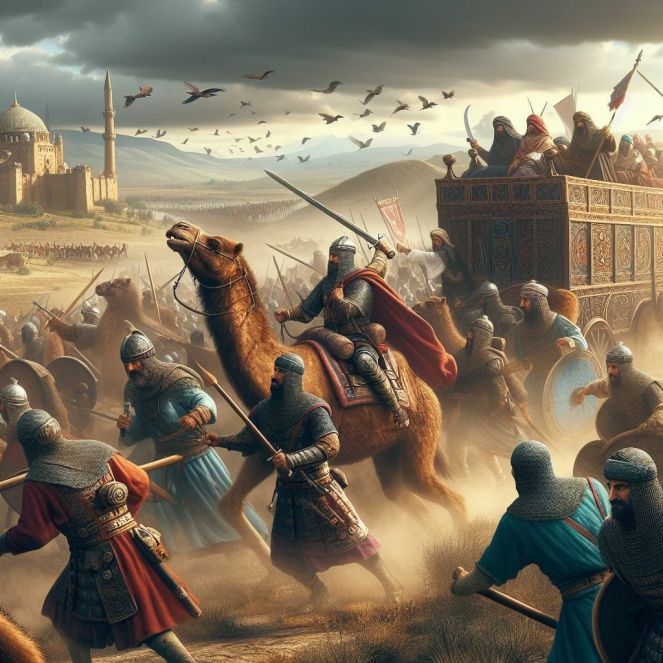
It was time for our hero to mount down his horse. It was time for him to transfer his vast knowledge to the next generation. Ali spent the next two years educating the Muslims in Iraq. His students utilized his knowledge in establishing the Islamic sciences as we know them today. This helped preserve our religion and facilitated studying it. The last few years were very tiring for that gallant. He asked Allah to pardon him and let him join his companions. One day, Ali went out to lead the dawn prayers at the mosque. When he prostrated, a radical who survived Nahrawan Battle infiltrated the lines. He struck Ali with a poisoned sword thinking he was doing something great. That cursed killer never realized that he had opened the gates of division among Muslims. Muslims carried Ali home. He ordered them to give his killer a fair trial. He then looked at his sons and said,
“Be pious to your lord. Forsake division and hold on to unity. Attend to your relatives, your neighbors and the orphans. The prophet always reminded us of our duty towards them. The Qur’an is our law; follow its teachings carefully. Praying is our faith’s backbone; never waste it. Fasting Ramadan is heaven on earth; await it year to year. Giving alms protects one from Allah’s anger; put it in the hands of those Allah specified. Never forsake Allah’s sacred mosque. Fight for the cause of Allah full heartedly. Attend to your duty towards those we vowed to protect. Attend to your duty towards the prophet’s companions. Take care of the poor and the needy. Be kind towards your women and your servants; they are the two weak ones. Never forsake enjoining what’s good and forbidding what’s bad. Help one another in all good deeds. Fight against all evils and aggression. Fear Allah, His punishment is severe. I bear witness there is no God but Allah, and that Muhammad is his messenger.”
When Ali passed away, he was 63 years old. Millions studied his life. Some called him the Doorway to Islamic knowledge. Some called him the Prince of Muslims. Some called him the Lion of Islam. Some called him the Sanctuary’s Martyr. I call him Ali the Brave. That’s because whenever many hesitated to step forward, Ali’s bravery replaced their fear with confidence in Allah’s victory. May Allah pardon him and all companions. May Allah be pleased with them all. Amen.
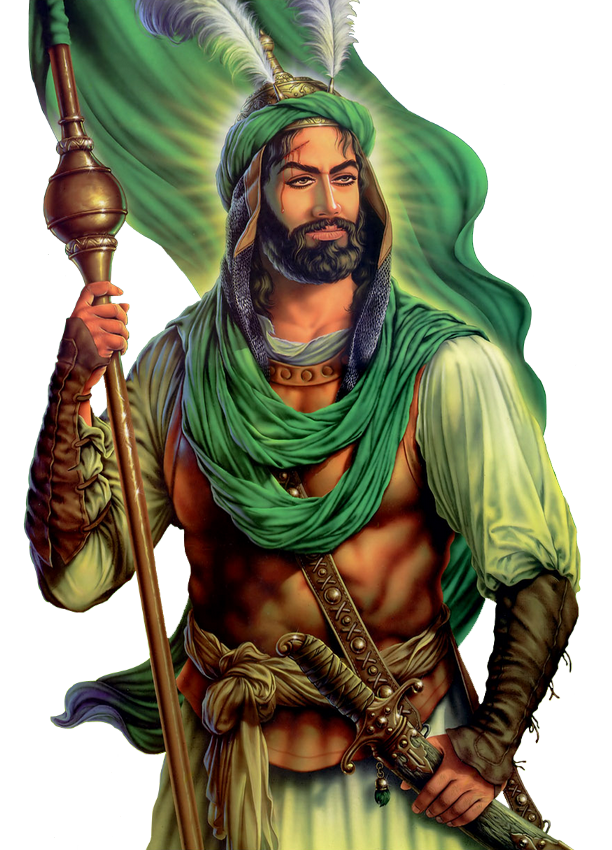
Copyright © Ehab Shawky, 2024.
All rights reserved.
Muhammad Abd El-Khalek Estate, Beni Sweif, Egypt
Discover more from Islamic Methodologies Made Easy
Subscribe to get the latest posts sent to your email.
 Islamic Methodologies Made Easy